X
Halifax, Nova Scotia is home to lush forests, island-dotted coasts, and birds singing through its parks and woods, creating a place that invites you to roam. From kayaking to quiet white-sand beaches to hiking coastal trails or heading out on a fishing boat, outdoor activities in Halifax feel natural and unforced year-round.
Paddle Coastlines, Lakes, and Waterways
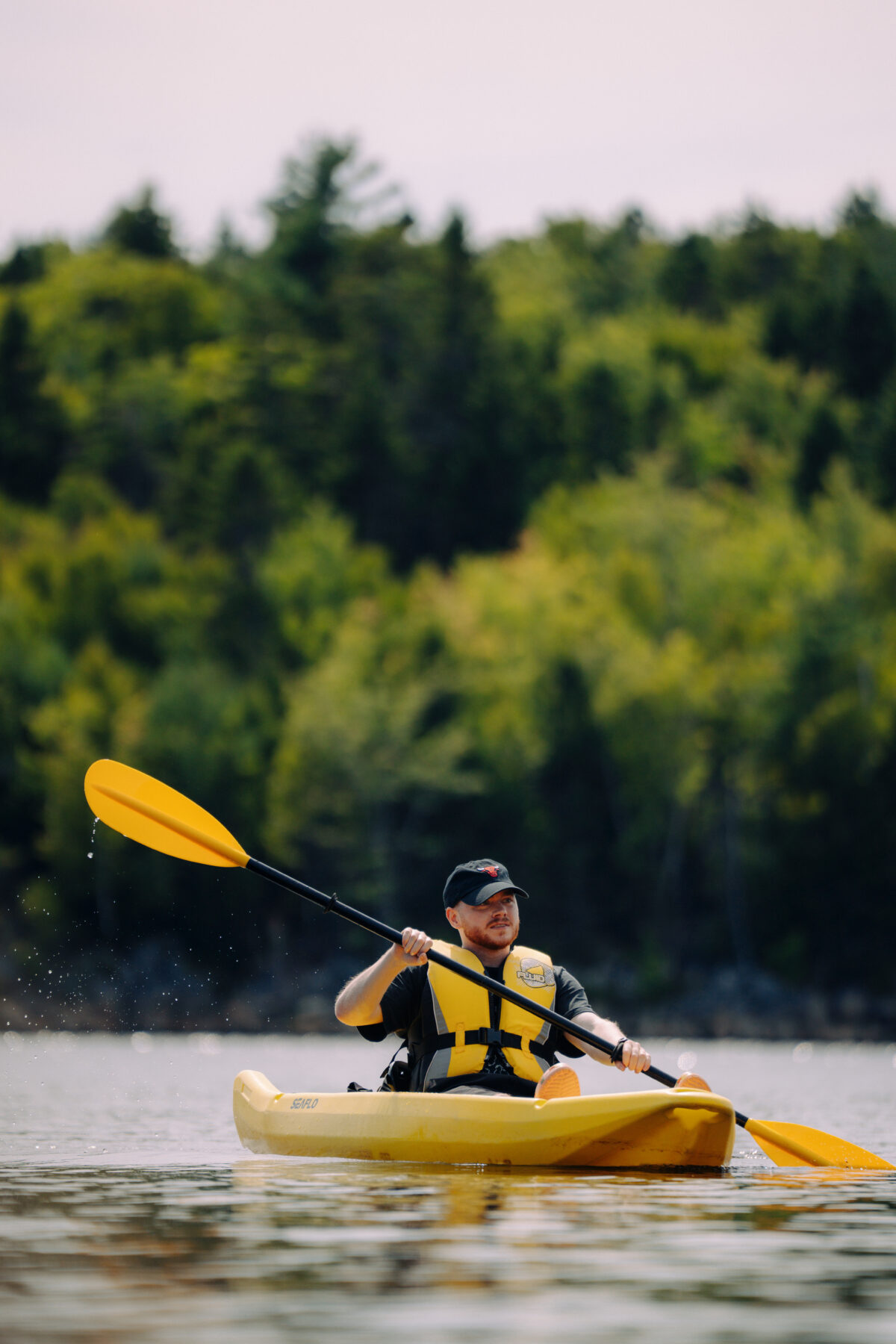
Explore Halifax by water with a guided tour or by renting your own canoe, kayak, or paddleboard. Paddle serene lakes, winding rivers, calm canals, and the open Atlantic Ocean.
In the Peggy’s Cove Coastal Region, paddle around Lower Prospect with East Coast Outfitters or Great E.A.R.T.H. Expeditions.
Along the Eastern Shore, take a paddleboard lesson with SUP Mushaboom, or explore the Wild Islands Coast with Norse Cove or Coastal Adventures.
Rent a canoe or kayak with Musquodoboit Valley Outfitters and head out on the Musquodoboit River, ideal for paddlers of all ages and experience levels. Meet the team riverside and paddle at your own pace for a relaxed experience.
Closer to the city, Wildwood Water Sports offers canoe, kayak, and paddleboard rentals for exploring the historic Shubenacadie Canal. For a lake adventure just 15 minutes from Downtown Halifax, head to Long Lake Provincial Park, with on-site rentals from Long Lake Adventure Company.
Accessibility note: Using an ADA-compliant EZ Launch system allows users to pull a canoe or kayak directly onto the dock and launch safely into the Shubie Canal. The dock and connecting trails are fully accessible for wheelchairs.
Hike Coasts, Forests, and Islands
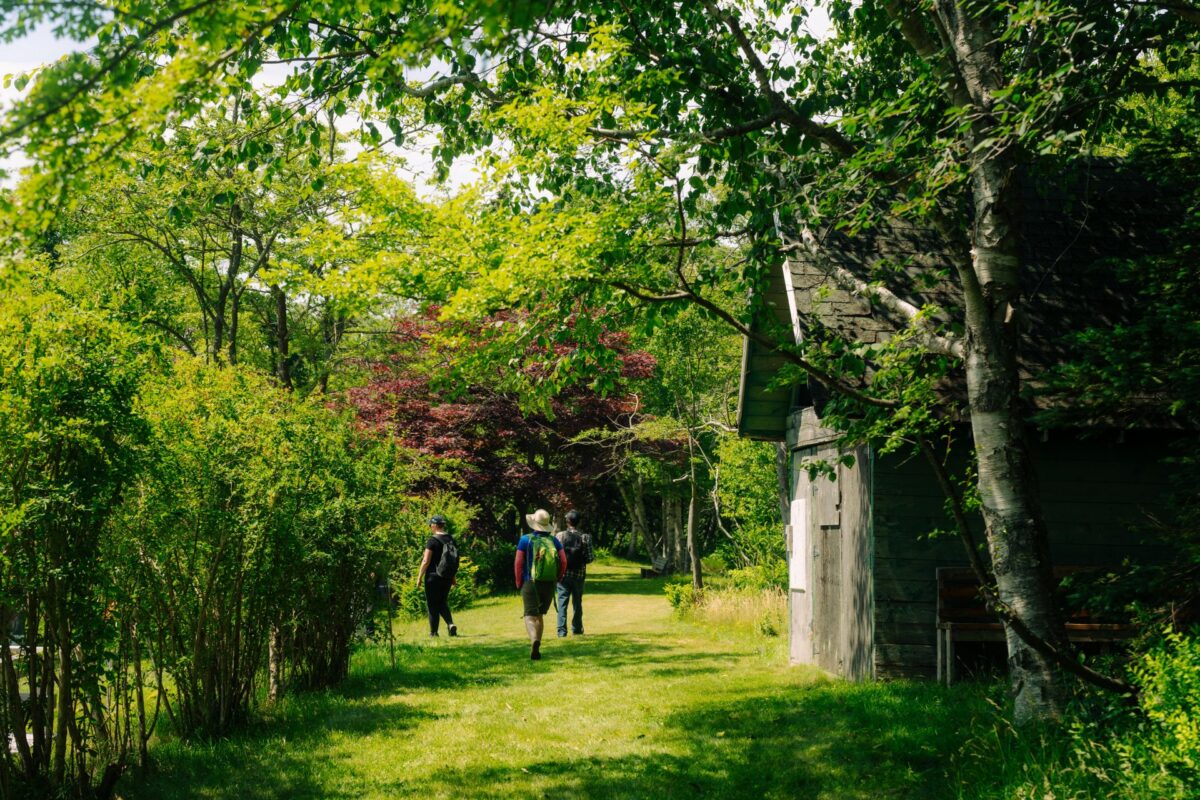
Hike along lakes and shorelines, through forested paths, or out to quiet beaches. Walk across granite bedrock at Polly Cove, explore McNabs Island’s wooded trails that lead to white-sand beaches and a historic shipwreck, or cross boardwalks through wetlands on the Salt Marsh Trail. These Halifax hikes reward you with coastal lookoffs, ocean air, and space to slow down.
Warning: Ticks like tall grass and wooded areas, so keep an eye out while you hike. Stay on marked trails, wear long sleeves and pants, choose light coloured clothing when possible, and do a quick tick check when your adventure ends.
Coastal Bouldering
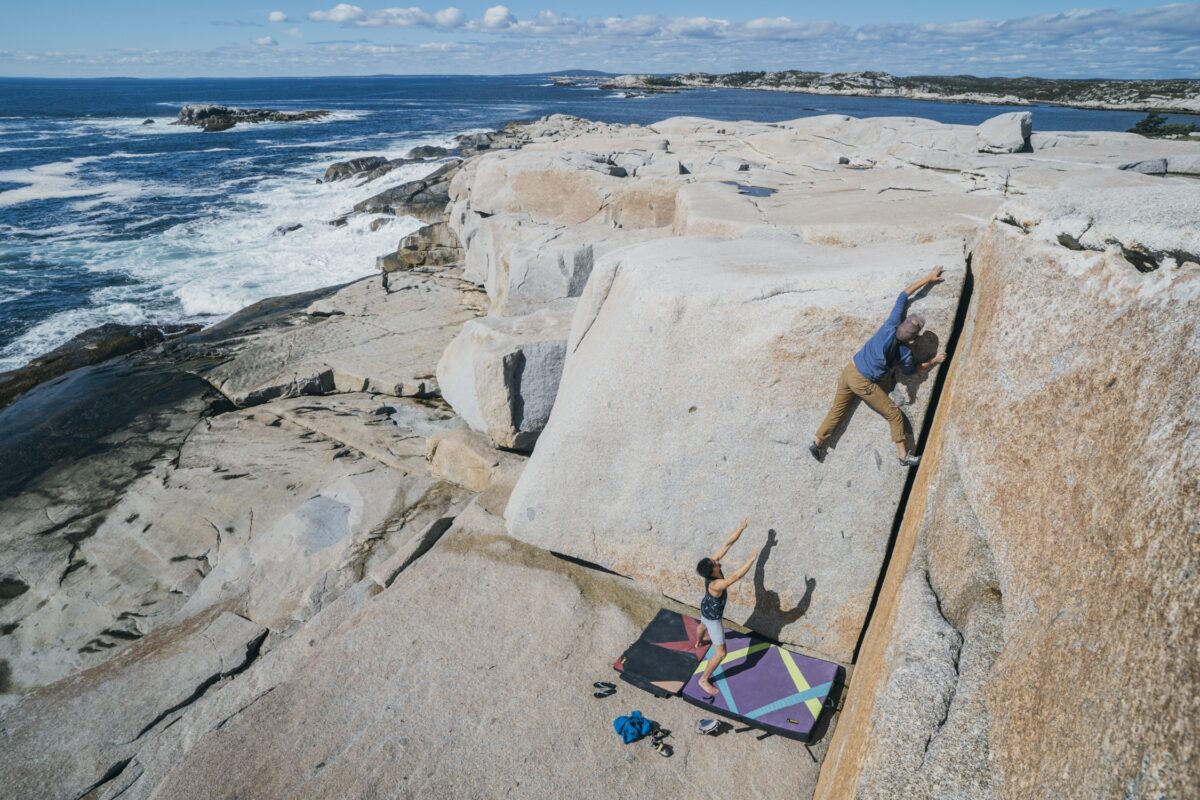
Picture yourself taking a small fishing boat to a granite island, spotting a sunfish offshore, and climbing a boulder with waves breaking below. Southeast of Peggy’s Cove, Dover Island is a renowned spot within Halifax’s bouldering community.
Another favourite is Chebucto Head, just 30 minutes from Downtown Halifax. With routes for a range of skill levels, it sits on the coast next to an old lighthouse.
Local tip: Use Climb Nova Scotia for responsible outdoor climbing guidance, and Mobeta for an overview of risks and difficulties on local boulders.
Surf the Atlantic Coast
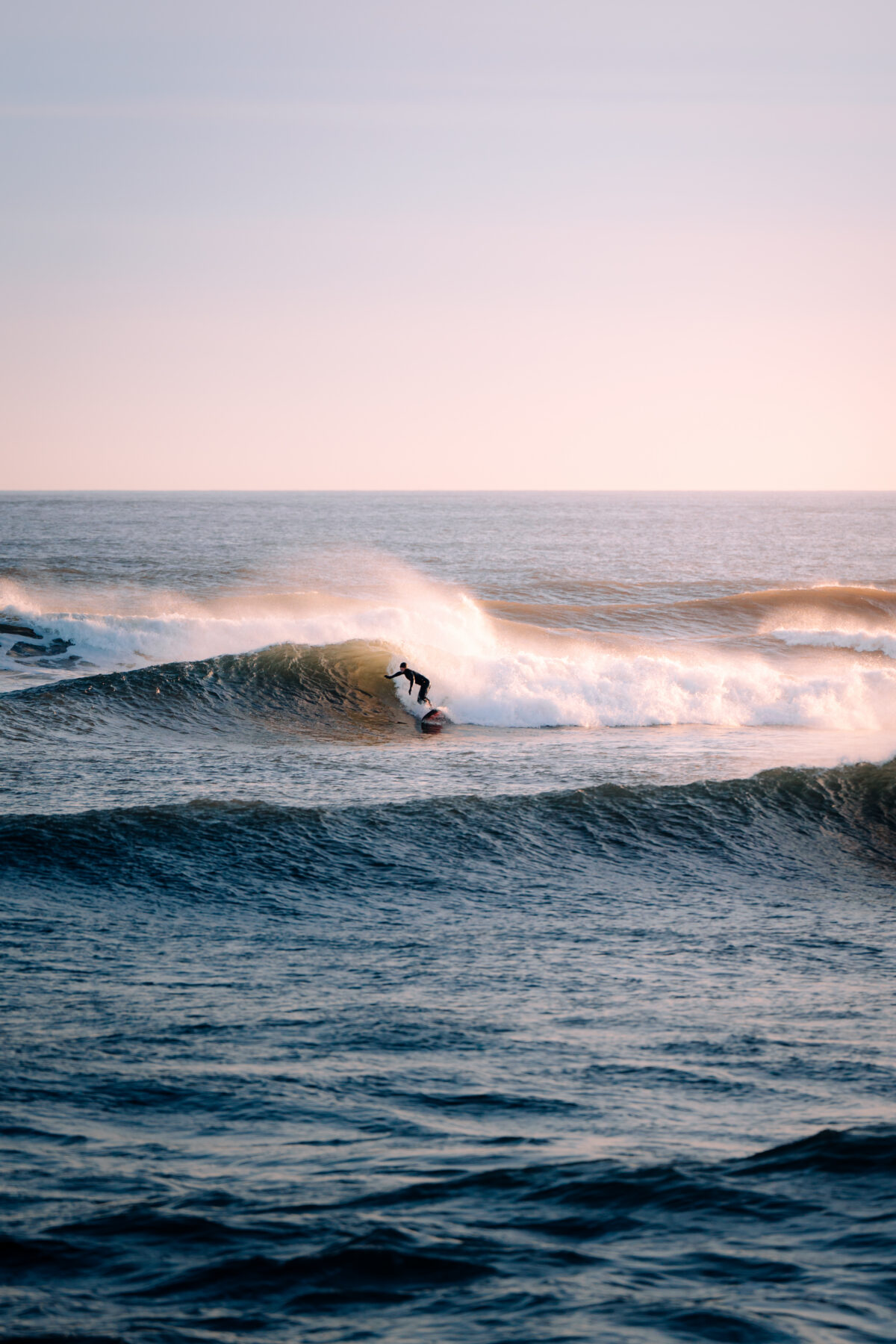
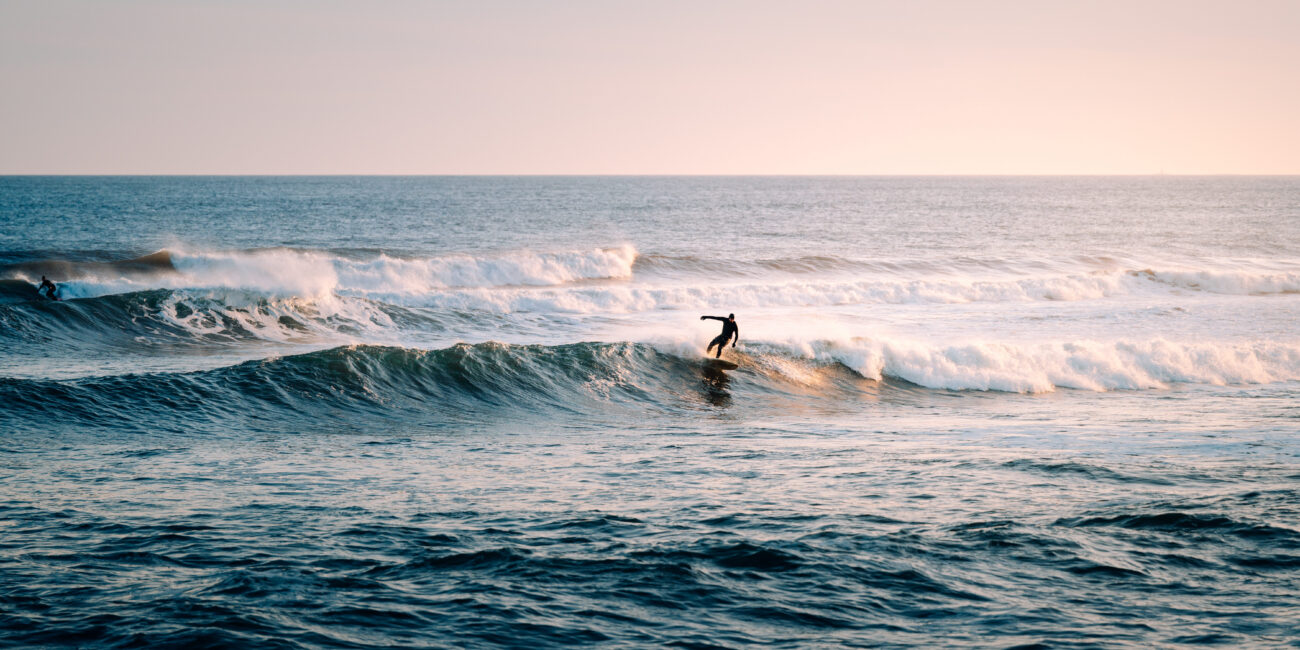
Grab a board and hit the waves at Halifax’s top surfing spots: Lawrencetown Beach Provincial Park, Cow Bay, and Martinique Beach Provincial Park. Take a lesson with East Coast Surf School or Kannon Beach Wind & Surf at Lawrencetown, or learn the ropes with Halifax Surf School at Martinique. All are friendly, welcoming, and happy to offer tips for surfers of every experience level.
Forage Forests, Shores, and Wild Spaces
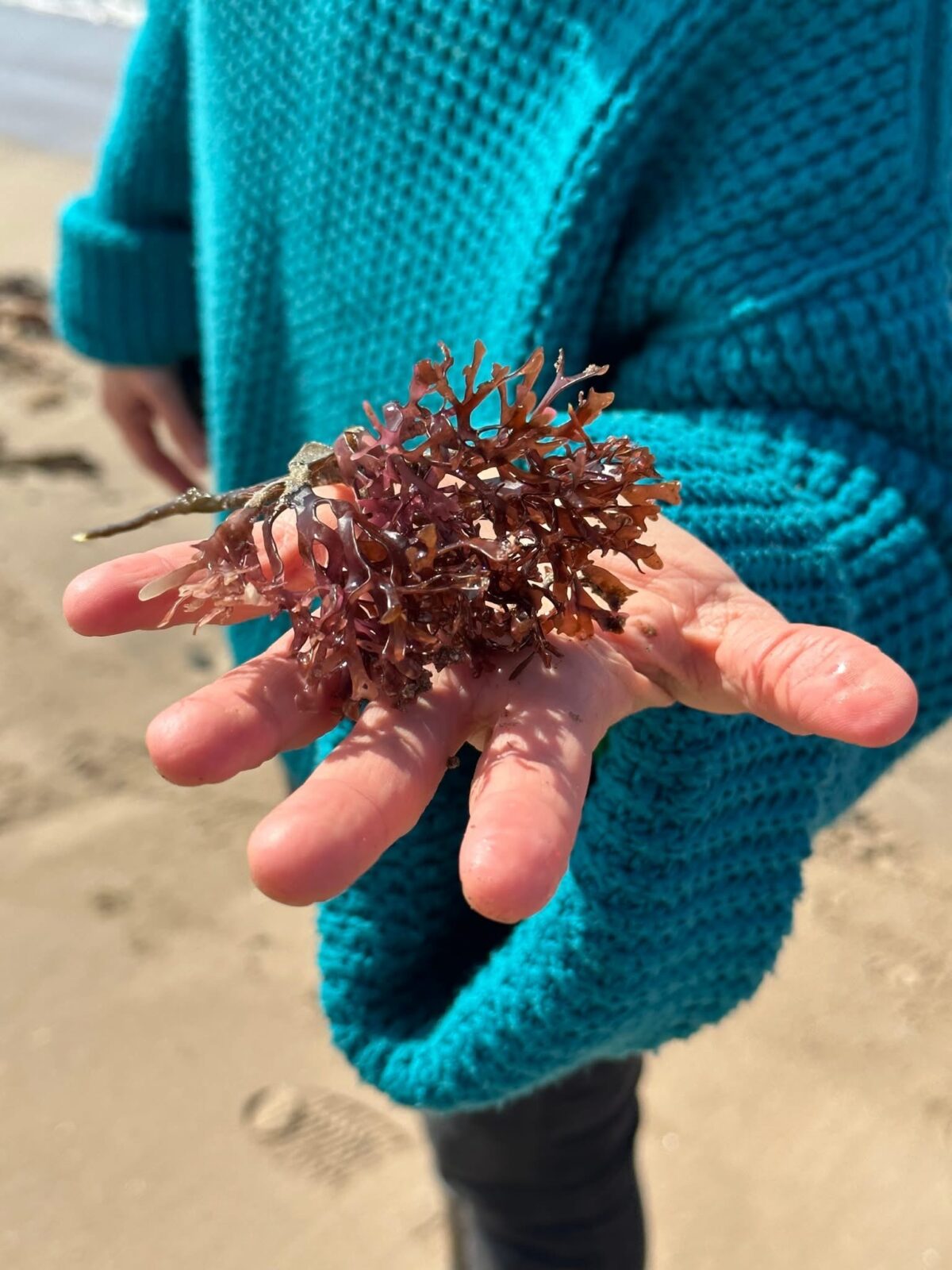
Join Terroir and Wild Ecotours in mindful foraging, forest exploration, and forest bathing.
Explore forests and beaches with a guide while learning to identify edible plants, mushrooms, and coastal foods. The experience ends with a gourmet lunch prepared by an on-site chef, using ingredients sourced from the land you explored, and served on the beach.
Birding
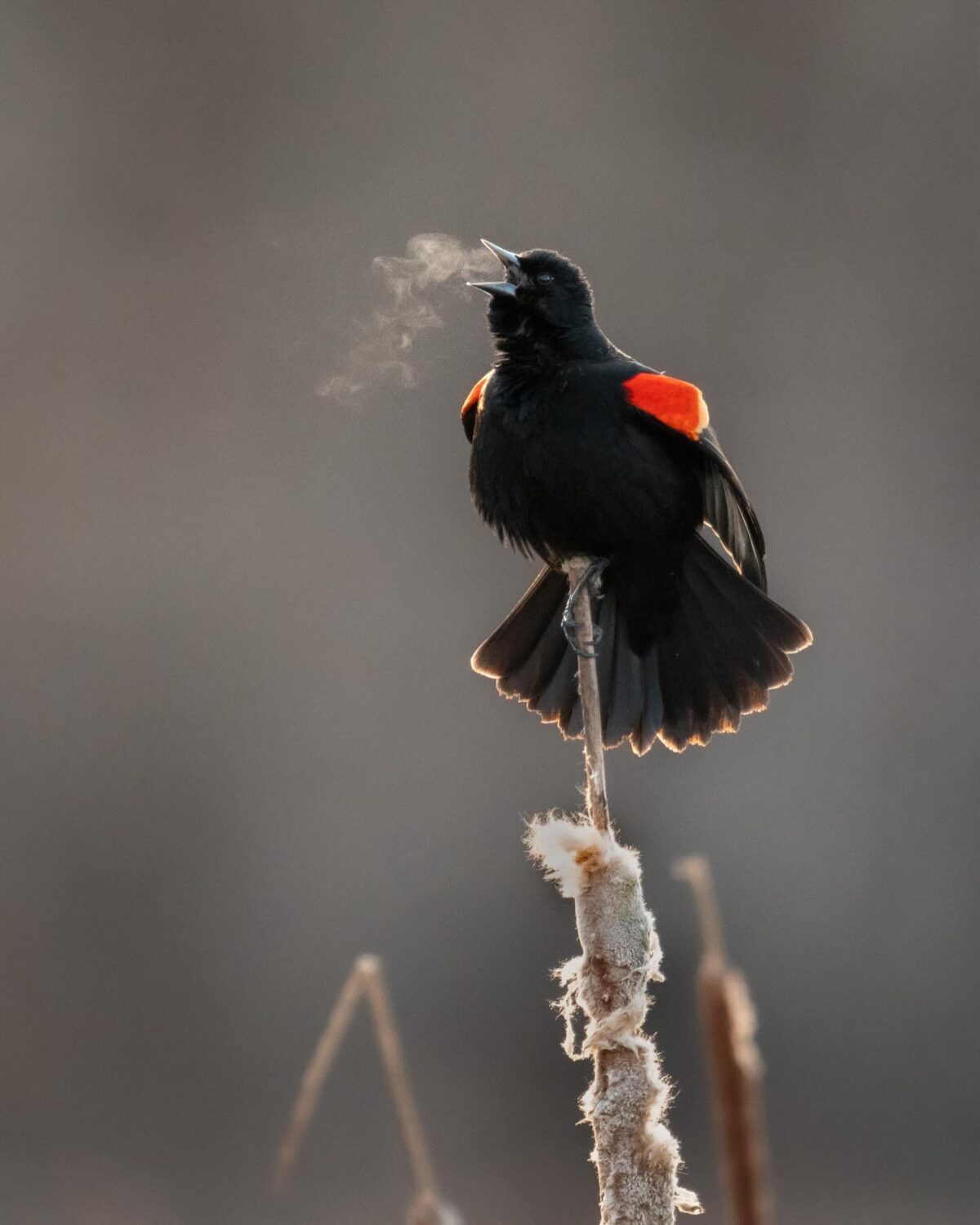
Halifax attracts many bird species throughout the year. Spring and late summer into fall are the most interesting times, as migratory species are on the move, and native birds tend to be more visible.
In the beautiful Peggy’s Cove Coastal Region, find Golden-crowned Kinglets in the pines at Polly Cove or shorebirds like Willets along the coast. Discover Brown Creepers and other woodland birds at the Second Lake Trail in Sackville, or venture to Hartlen Point, where you can spot Bald Eagles flying overhead year-round.
In Cole Harbour, search for Purple Finches, Great Blue Herons, and Catbirds on the Bissett Lake Trail. It’s just down the road from the Salt Marsh Trail, which features Warblers, Red-winged Blackbirds and a variety of wetland and shorebirds.
Sleep Under the Stars on Halifax’s Coasts and Forests
Take in the Eastern Shore’s coastal charm at Norse Cove Camping. Walk coastal trails, kayak along the Wild Islands Coast, and watch the sun rise and set over the Atlantic Ocean. At night, sit under the stars and fall asleep to the sound of waves crashing against granite shores. The site offers 13 tent sites, six RV sites, and several Nordic huts, including one accessible option.
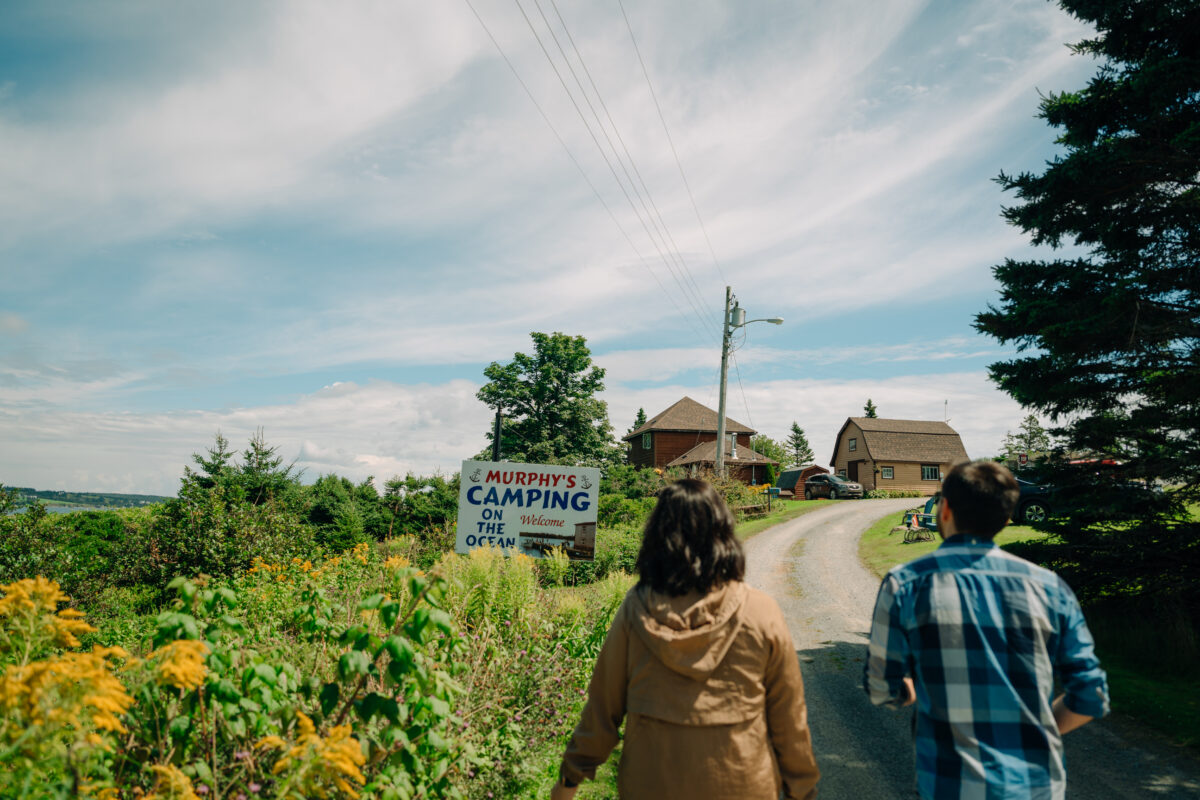
With Murphy’s Camping on the Ocean’s island drop-off adventure, take a boat tour and stay on one of the Wild Islands. Camp in the wilderness, or return the same day to stay at a tent site, RV site, geodome, or cottage.
Just 40 minutes from Downtown Halifax, camp in the woods at Porters Peak on a tent site or in a comfort-equipped safari tent. Wake up to an ATV or a side-by-side adventure, or spend the day hiking, paddleboarding, or swimming in the lake.
Fish Rivers, Lakes, and Harbours
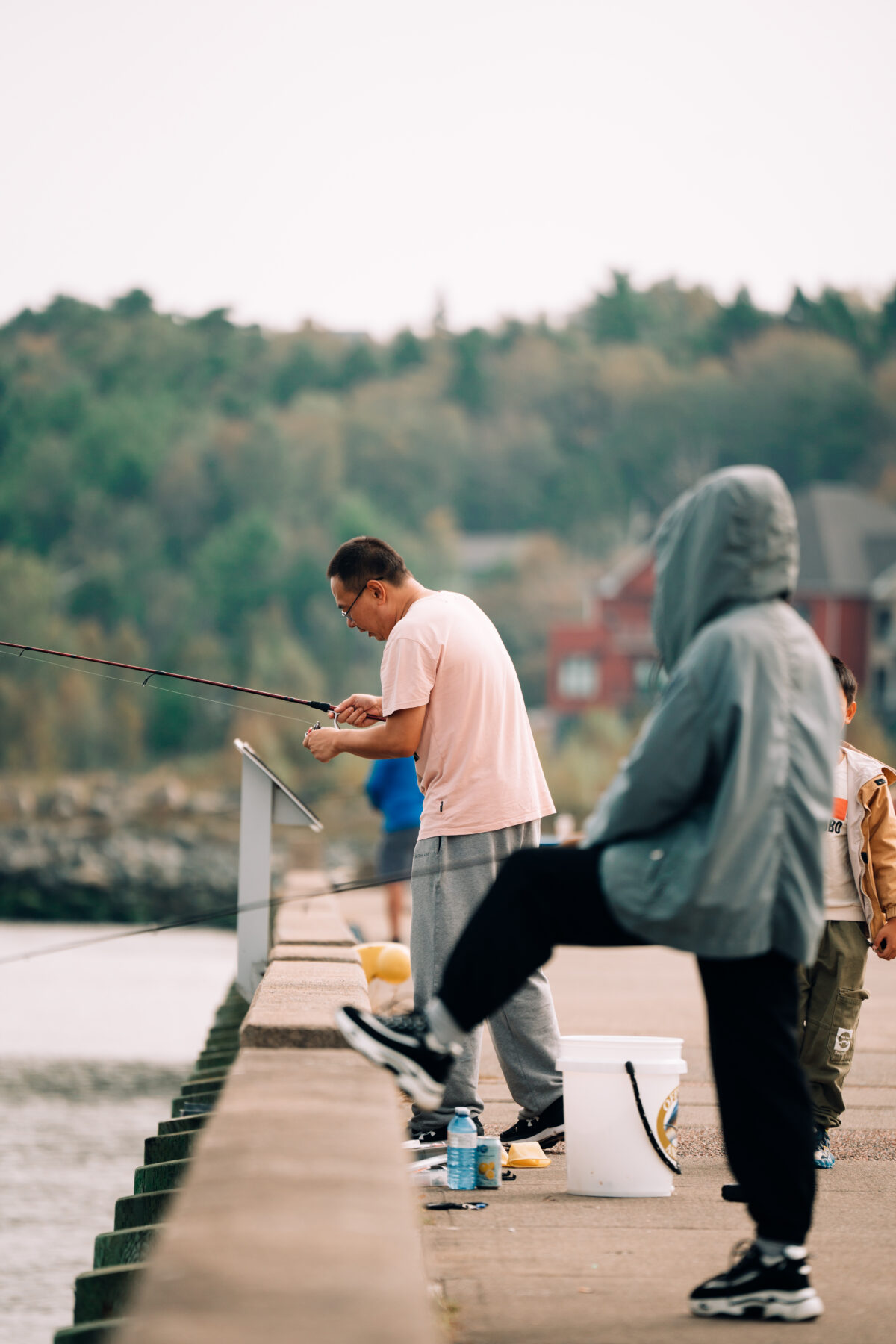
Head out to sea, wade knee-deep in a river, or cast from the shoreline. Fishing in Halifax offers many ways to catch mackerel, trout, cod, and pollock.
Fly fish for trout in the scenic Musquodoboit River, or stay closer to the city and catch bass, pickerel, and perch in Morris Lake in Eastern Passage, which has boat launches. During peak season, mackerel are easy to find and can be caught from docks and harbours across the region.
Interested in a fishing excursion with a local fisher? Find a guide here.