X
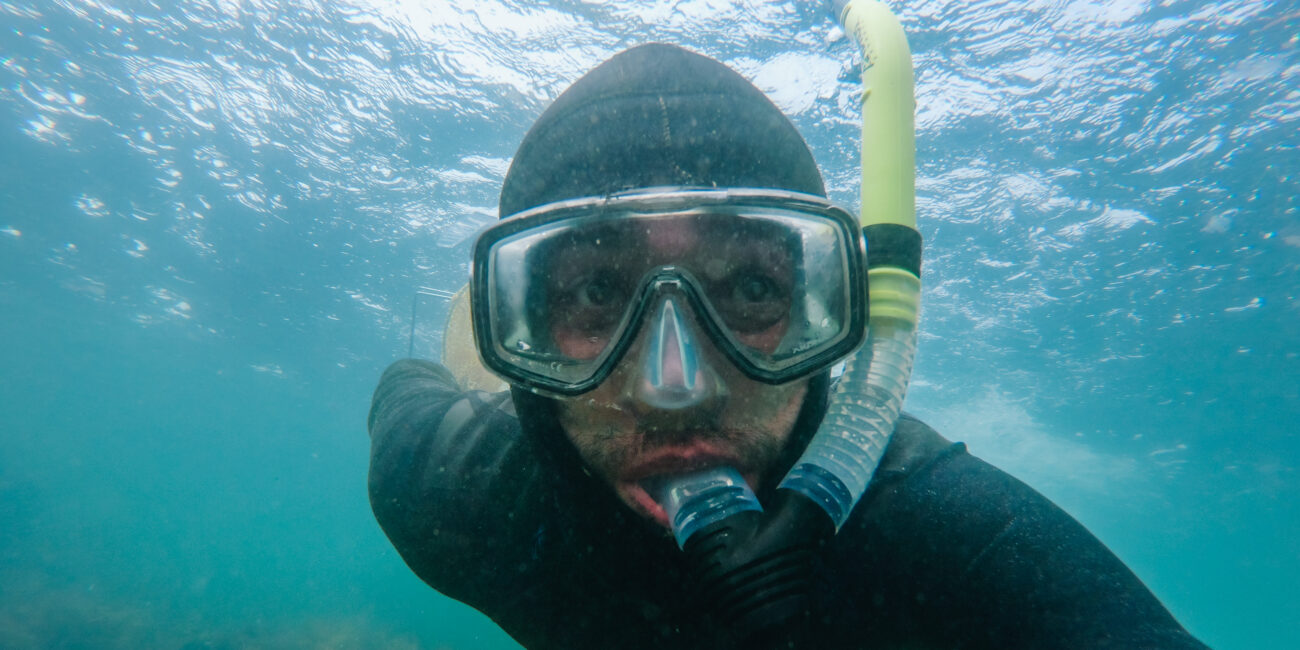
I fell in love with snorkelling in Halifax, Nova Scotia for the same reason I think many people fall in love with this place in general: it does not give everything away at first glance.
Above the surface, Halifax can feel windswept, rugged, and a little grey in the best possible way. Slip into the water, though, and a whole second version of the city appears. There are eelgrass beds moving with the tide, crabs tucked into rock ledges, old bottles buried in silt, and the odd reminder that these waters hold both natural life and human history. That mix is what hooked me.
I started exploring local waters in 2020, and what began as a cold-water curiosity turned into a full-blown obsession with what’s under the surface here.
The Northwest Arm
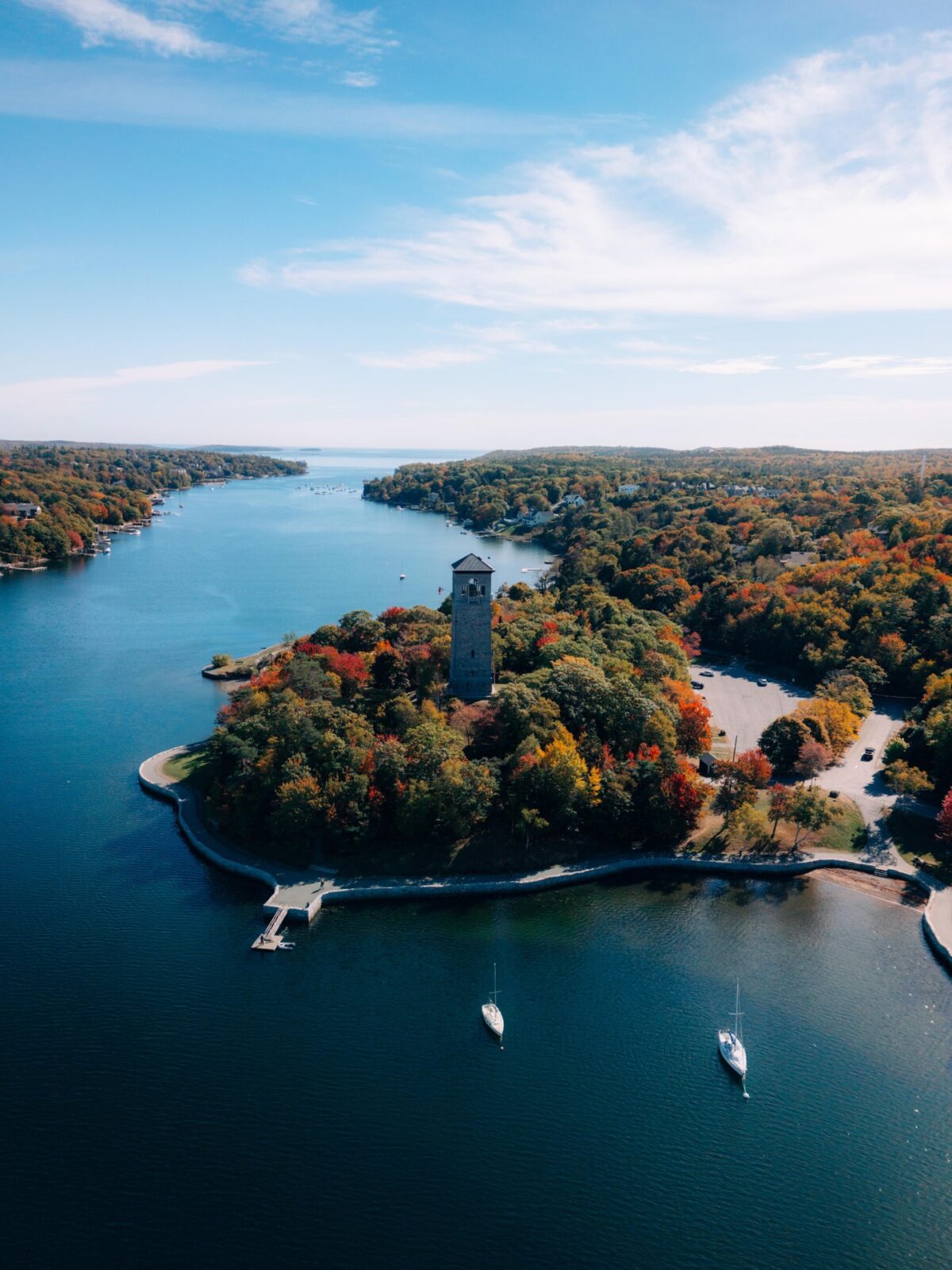
This is where it all started for me.
Back in 2020, everything was shut down, and I was just sitting around like everyone else, running out of things to do. I started watching random videos online and thought, I should just get back in the water. So I got a wetsuit, borrowed some fins and a mask from my dad, and went into the Northwest Arm. No plan, no expectations.
It was cold right away, as it was early April. The kind of cold that hits your face and makes you question it for a second. But once that passed, I remember thinking how much I actually liked being back in the water.
I found a couple of old bottles on that first swim—Pepsi and Coca-Cola, probably from the 60s. Nothing rare or valuable, but it stuck with me. They’d been sitting there for years, and I had probably walked past that same shoreline a hundred times without realizing what was right under the surface.
That’s what hooked me. Not seeing something amazing, just realizing there’s a whole layer to this place that most people never look at.
The Arm is perfect for that. It’s calm, it’s close, and you’re not dealing with big ocean conditions. Most of the time you’re in 10 or 20 feet of water, just moving along the bottom, seeing what turns up. Some days you’ll find things, some days you won’t, but that’s never really the point.
Access is easy from Sir Sandford Fleming Park, and practical amenities are nearby, including parking and washrooms. The thing to remember here is finning gently. The bottom can stir up fast, so the less chaos you make, the more you will actually see.
Black Rock Beach
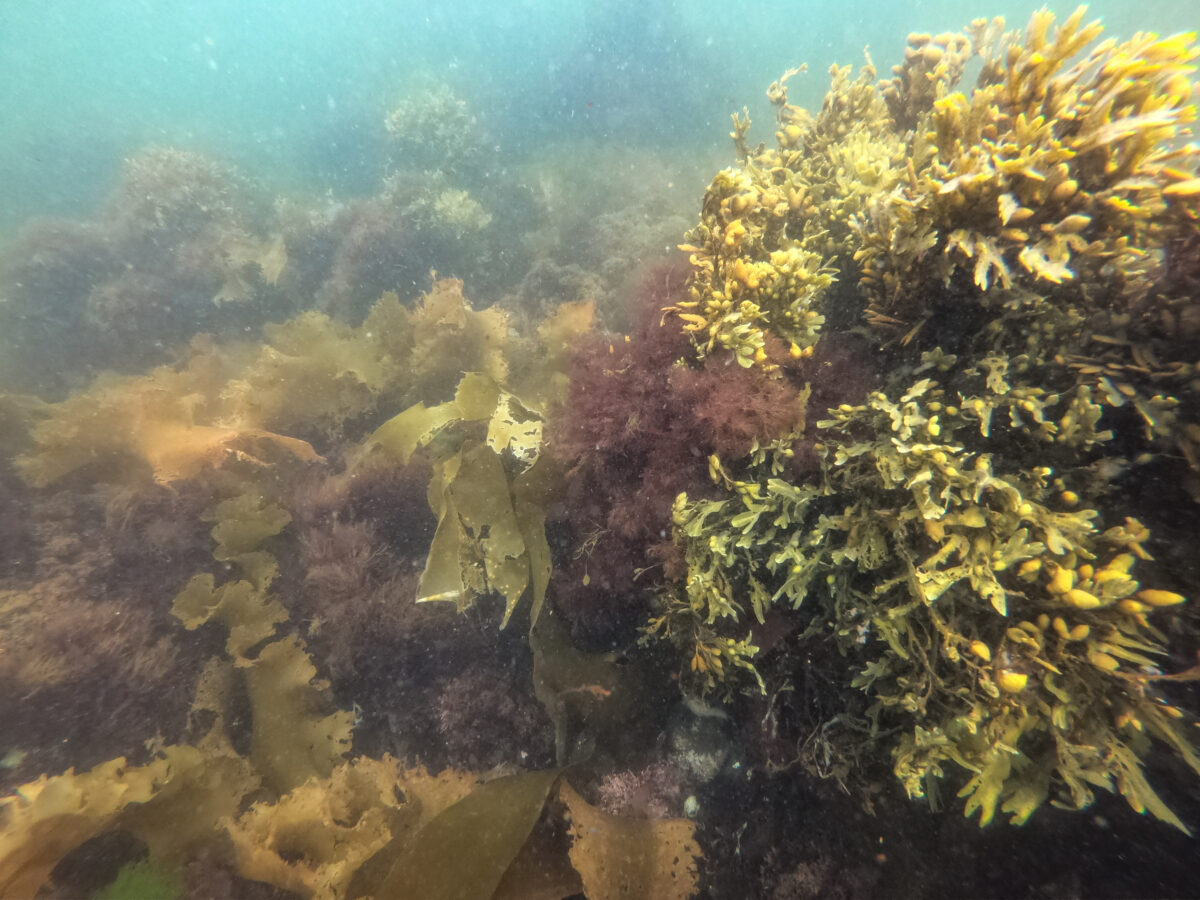
If you want a place that feels distinctly Halifax, start at Black Rock Beach in Point Pleasant Park. Discover Halifax already points visitors there for swimming, and notes that the beach is ideal for scuba because of the breakwater and eelgrass beds. That same combination also makes it one of the better urban spots to start a snorkelling story.
This is the kind of place I love because it captures something essential about Halifax. You can spend the morning grabbing coffee downtown and then be in the water a short time later, looking at marine life with Dartmouth across the harbour.
Access is straightforward through Point Pleasant Park’s parking area and a short walk to the beach. What to keep in mind: it is unsupervised, and Discover Halifax warns that water contact should be avoided for at least three days after heavy rain due to the risk of bacteria. The HRM tests water quality at all of its supervised beaches. Snorkel at unsupervised locations at your own risk.
Prospect
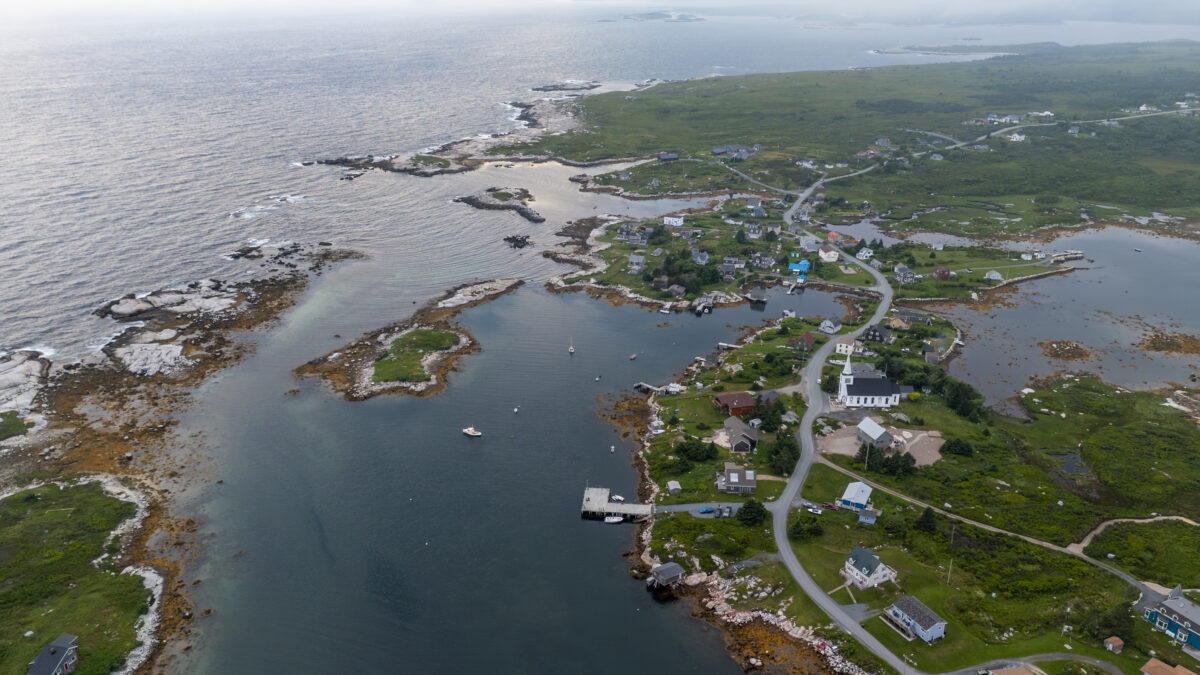
Prospect is one of those places where what’s above the water and what’s below it actually line up.
It’s an old fishing community, and you can feel that right away—but you really see it once you get in. There’s stuff on the bottom everywhere. Old bottles, bits of gear, random pieces of the past that have just been sitting there for years. It’s not just marine life; it’s history mixed in with it.
Most areas around the wharves are pretty manageable in terms of depth, but the bottom can be silty. If you move too fast, you’ll lose visibility right away, so it kind of forces you to slow down. And when you do, things start to show up—crabs, flounder, and lobsters tucked into the rocks. At the same time, it’s still the Atlantic. It can feel calm in certain spots, but conditions change fast, and what looks good from shore doesn’t always hold up once you’re in.
When it lines up, though, it’s one of the better places around here. It feels real. You’re not just out there looking around—you’re moving through a place that’s been worked and lived in for a long time, and a lot of that is still sitting right under the surface.
Terence Bay
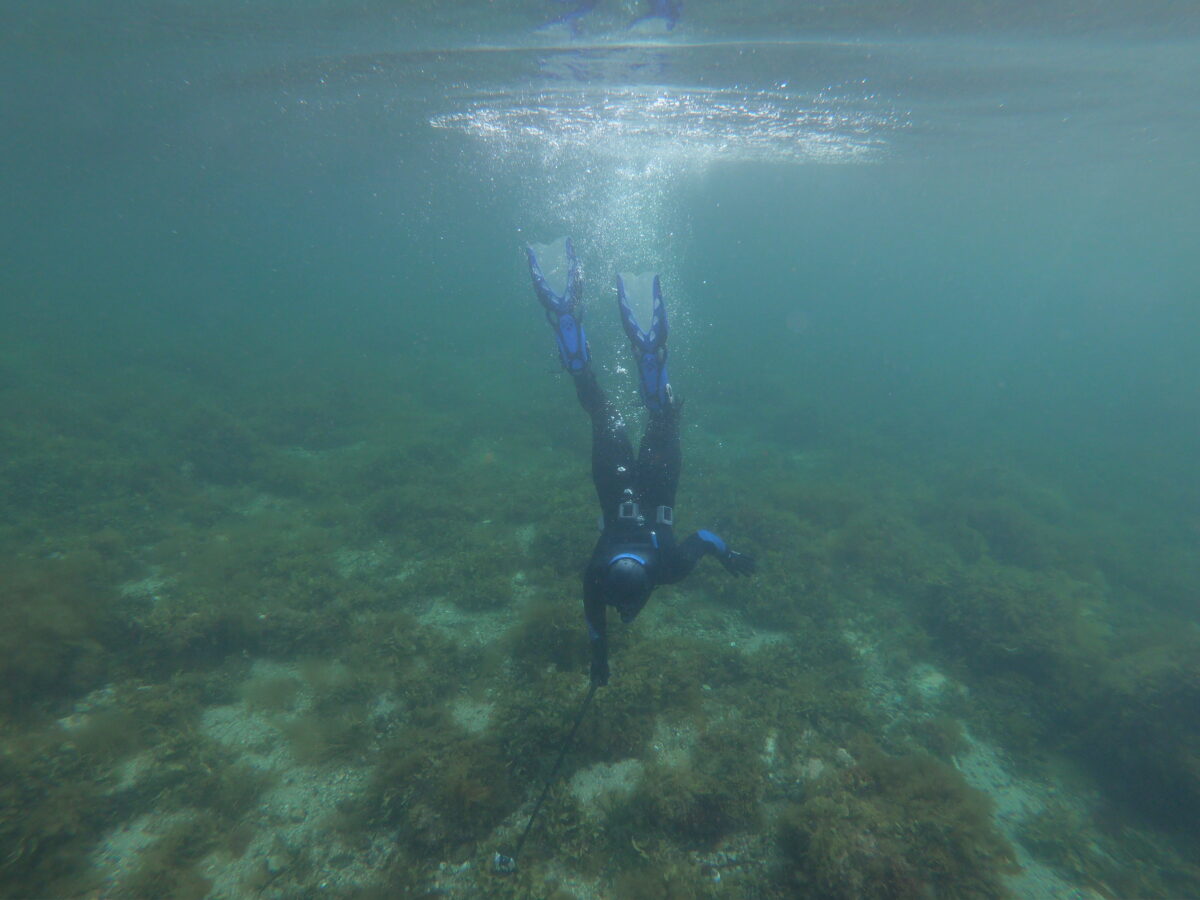
Terence Bay is one of the best options for people who want a more forgiving introduction to ocean snorkelling around Halifax. It’s close to Halifax, well protected from various weather conditions, with easy entry and exit, little or no surge, and plenty of marine life.
That kind of protection matters here. Halifax waters can be wonderful, but they are not casual in the way warm vacation destinations are casual.
Sandy Cove gives you a chance to experience the Atlantic without feeling like you are picking a fight with it. It is a good spot to slow down and actually notice what is around you, rather than just bracing against the cold. If you are newer, this is one of the places I would seriously consider.
McNabs Island and Wreck Cove
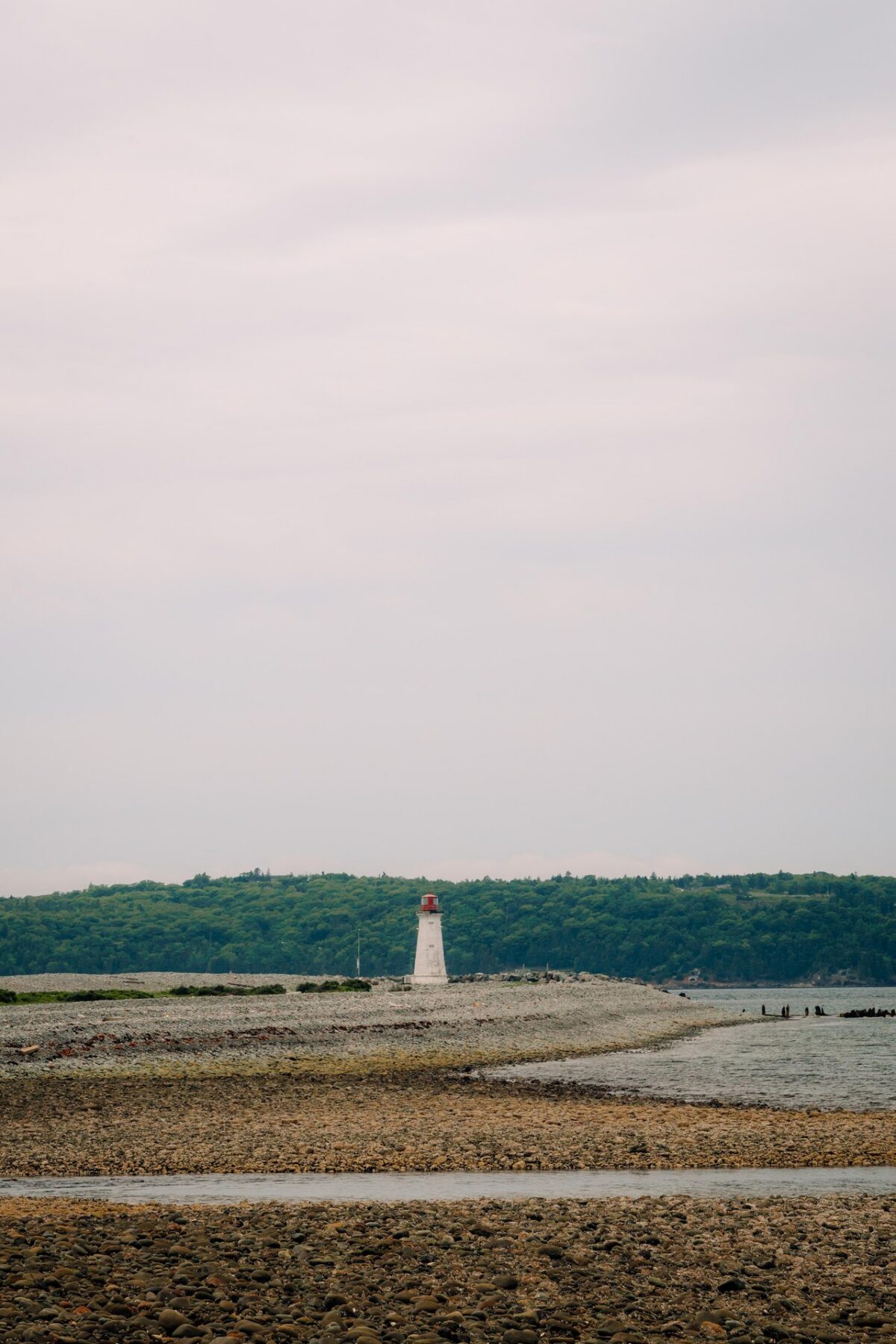
If you want the outing to feel more like an adventure, build a day around a visit to McNabs Island. The island is accessible by commercial or private boat or guided kayak tours.
I love this option because it combines everything Halifax does well: harbour history, island access, and the feeling that you have earned your swim a little bit. McNabs has old forts, beaches, and a sense of separation from the city, even though the city is right there. If you are visiting and want something memorable, this is one of the most distinctive ways to experience the region from the water. Bring more supplies than you think you need, because once you are out there, you want to be comfortable staying awhile, and there’s no running water on the island.
What to bring
Halifax is not a place to under-pack for snorkelling. At minimum, think mask, snorkel, fins, boots, gloves, and proper exposure protection for cold water. Discover Halifax’s own swimming guidance recommends basics like water shoes, towels, and a mask and snorkel, but for longer or colder sessions, you will want a wetsuit that matches the conditions.
Lessons, rentals, and guided help
If you are a beginner or you want scuba instruction rather than snorkelling on your own, Halifax has solid local options. Torpedo Rays offers PADI training, plus rental gear and private guided local dives. East Coast Scuba & Watersports offers Discover Scuba and Open Water training, and notes that its staff can also offer guided site tours and local advice.
That local knowledge is worth paying for, especially if you are visiting. In Halifax, the difference between a frustrating day and a great one can be knowing which site suits the wind, the tide, and your comfort level. The shops and instructors here can help with that.
Closing reflection
What I love most about snorkelling in Halifax is that it changes the way you see the city. You stop thinking of the ocean as scenery and start understanding it as a living part of the place. You notice how much history is tucked into the shoreline. You notice how quickly the weather can change a cove’s mood. You notice what people have left behind, and what the water has managed to keep anyway. That is the Halifax I know best: beautiful, layered, cold, surprising, and always a little deeper than it first appears.
Meet the Local
Sean McMullen (he/him)
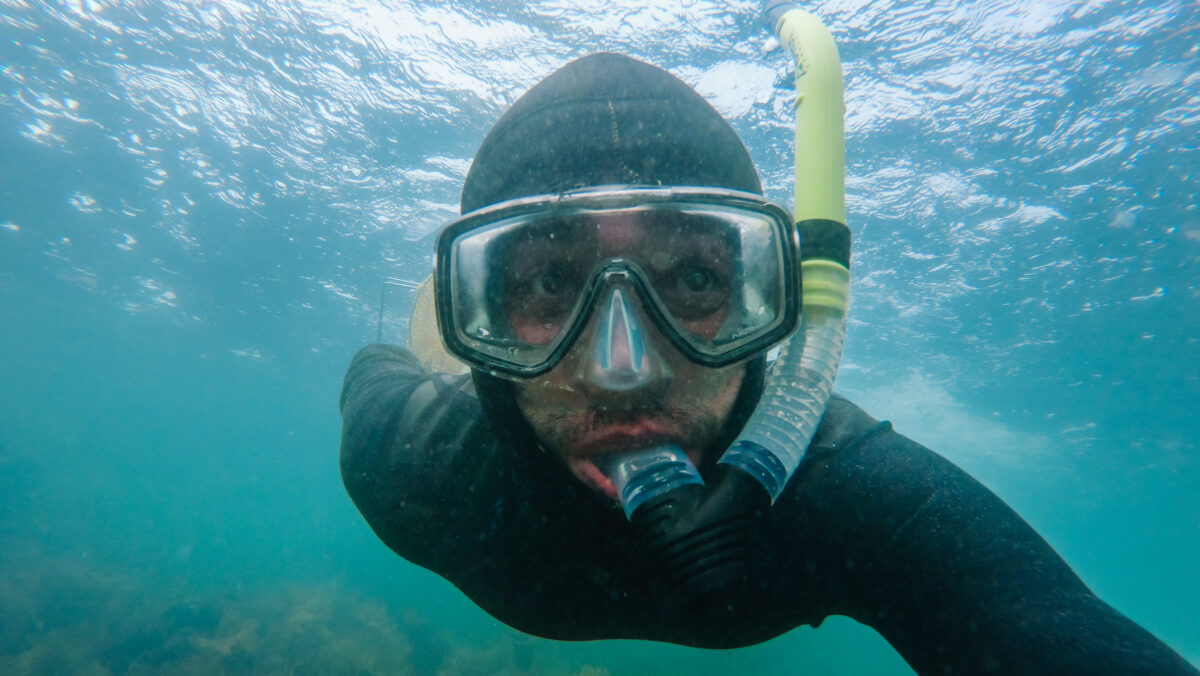
Sean is the Nova Scotia creator behind Saltwater Sean, a diver and storyteller known for exploring local lakes, rivers, and coastline while documenting underwater cleanups, found objects, and the hidden history beneath the surface.