

The Mi’kmaq (meeg-mah) are the Indigenous people of Mi’kma’ki (meeg-maw-gi), a territory that encompasses Nova Scotia, New Brunswick, Prince Edward Island, Newfoundland, parts of the Gaspé Peninsula in Québec, and Maine. Archaeological evidence shows Mi’kmaw presence in this region for more than ten thousand years.
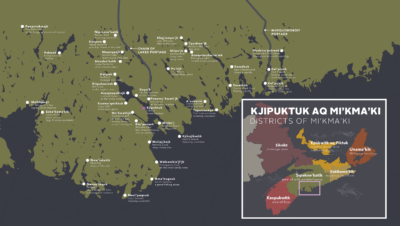
Halifax, the capital of Nova Scotia, is located on the Atlantic coast in what is formally known as the Halifax Regional Municipality (HRM). To the Mi’kmaq, this harbour has long been known as Kjipuktuk (jeh-book-dook), meaning “Great Harbour.”
Whether we realize it or not, everyone in Nova Scotia travels across ancestral Mi’kmaw (meeg-mow) lands every day.

Mi’kmaq Grand Council Flag
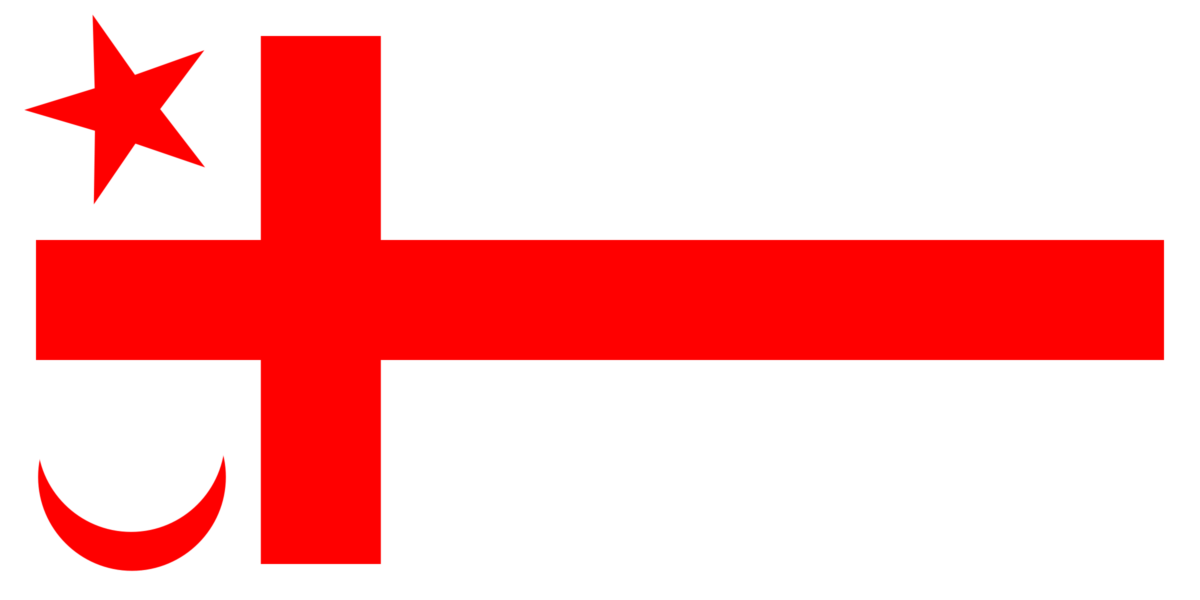
It represents the Mi’kmaq people—past, present, and future. White symbolizes the purity of Creation; the red cross, humanity and the four directions; and the sun and moon, the forces of day and night. Regularly flown, it holds special prominence on Treaty Day and throughout October.
Mi'kmaq Eight-Point Star
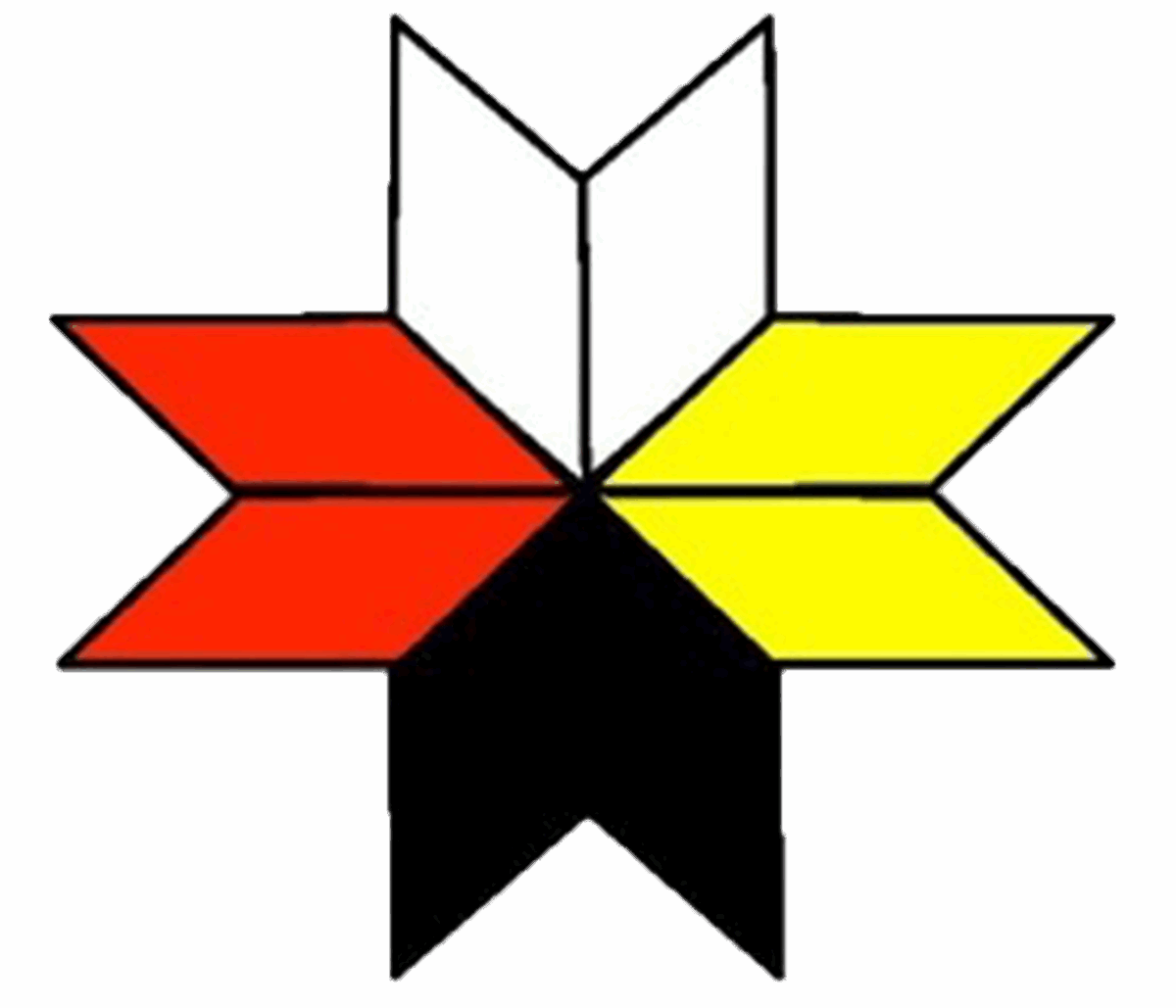
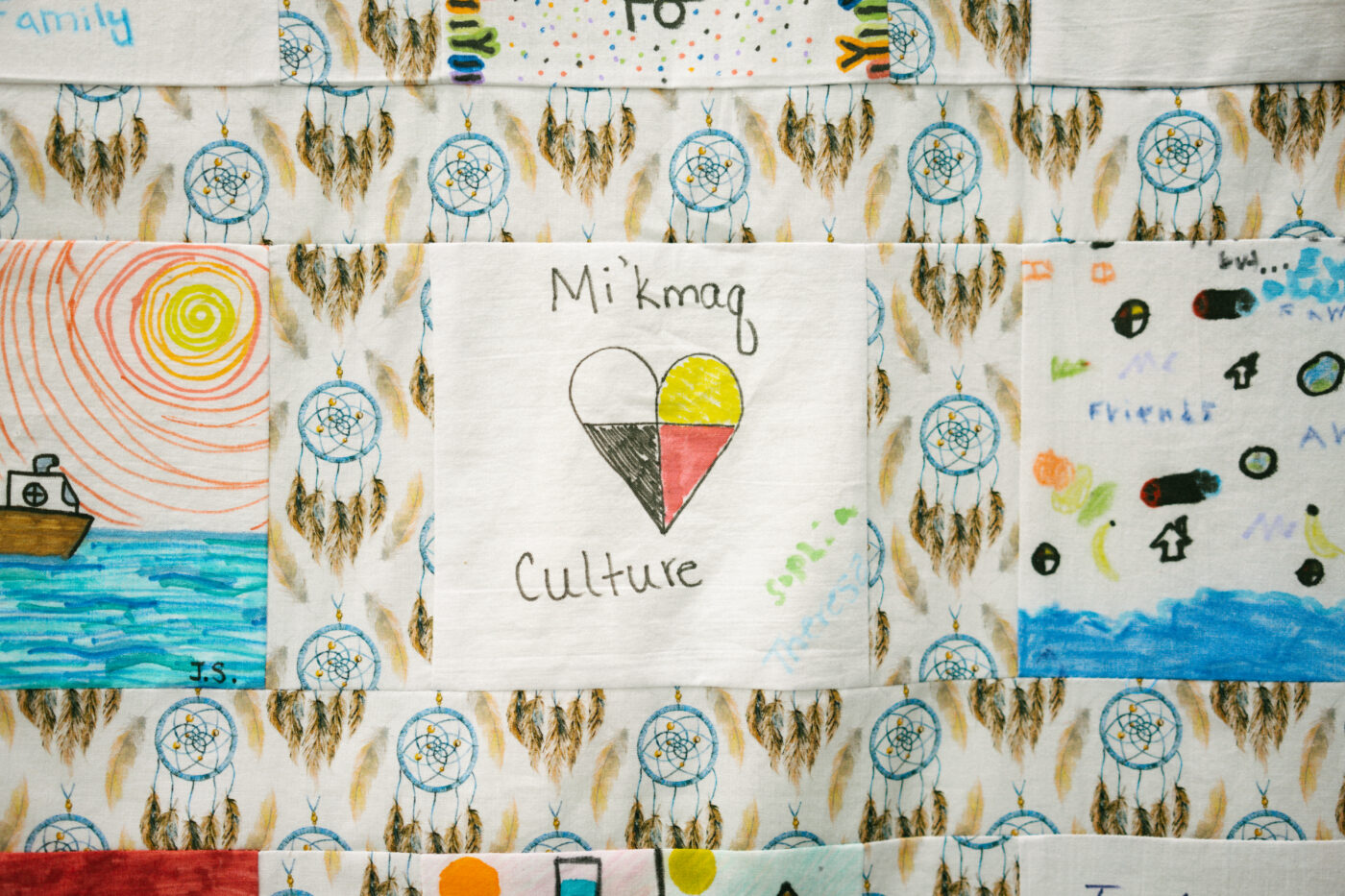
The eight-point star is a cultural symbol of the Mi’kmaq people. Many Mi’kmaq artists use the star to decorate drums, blankets, moccasins, and baskets. The four colours represent harmony and unity between all people. They also represent the four directions:
WHITE (WAPEK) = NORTH (OQWATN)
Pronounced: wah-behg = ohk-wa-den
RED (MEKWEK) = EAST (UKJIPN)
Pronounced: meh-kwehg = uk-chi-ben
BLACK (MAQTEWEK) = SOUTH (KP’TE’SN)
Pronounced: mahq-tew-ehg = ek-pe-dee-sen
YELLOW (WATAPTEK) = WEST (TK’SN)
Pronounced: wah-tahp-tehg = et-ke-sen
To learn more about the Mi’kmaw language, go to kinu.ca.
Pjila'si. Welcome.
Did You Know?
Traditionally, the Mi’kmaw people do not see land as something to own; it is seen as a responsibility bestowed by the Creator.
Special thanks to NSITE’N for their support in the creation of this content.
Learn more at mikmaqonline.org