X
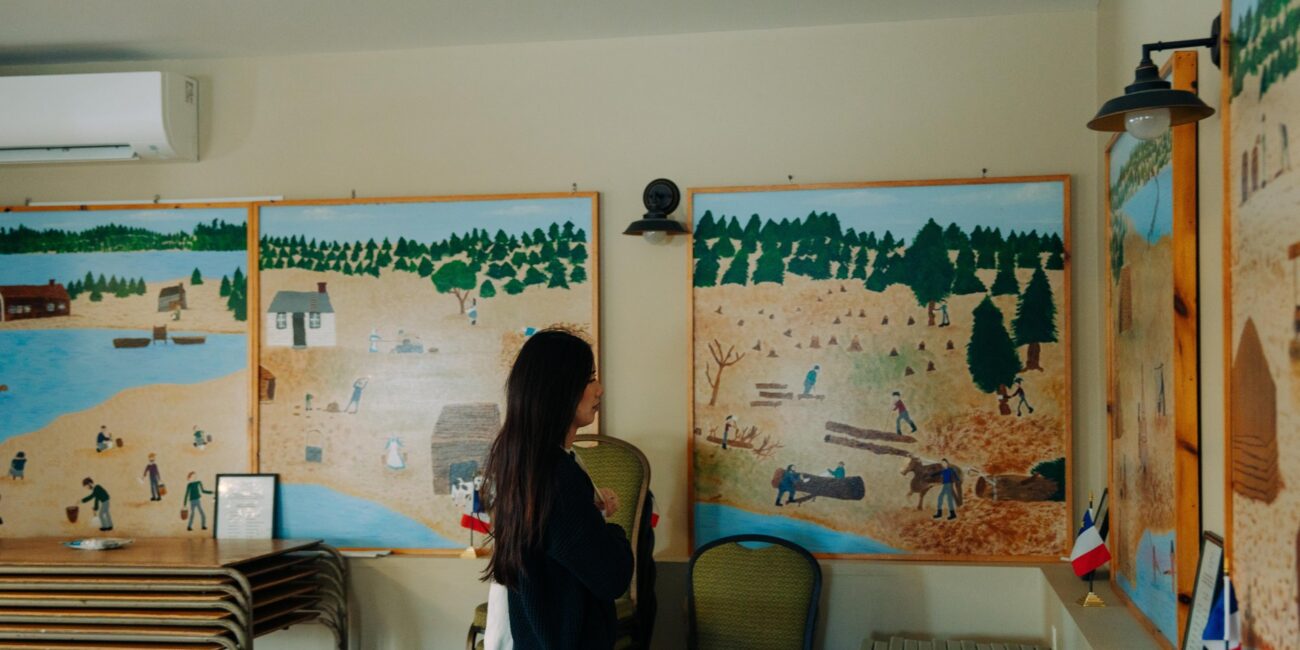
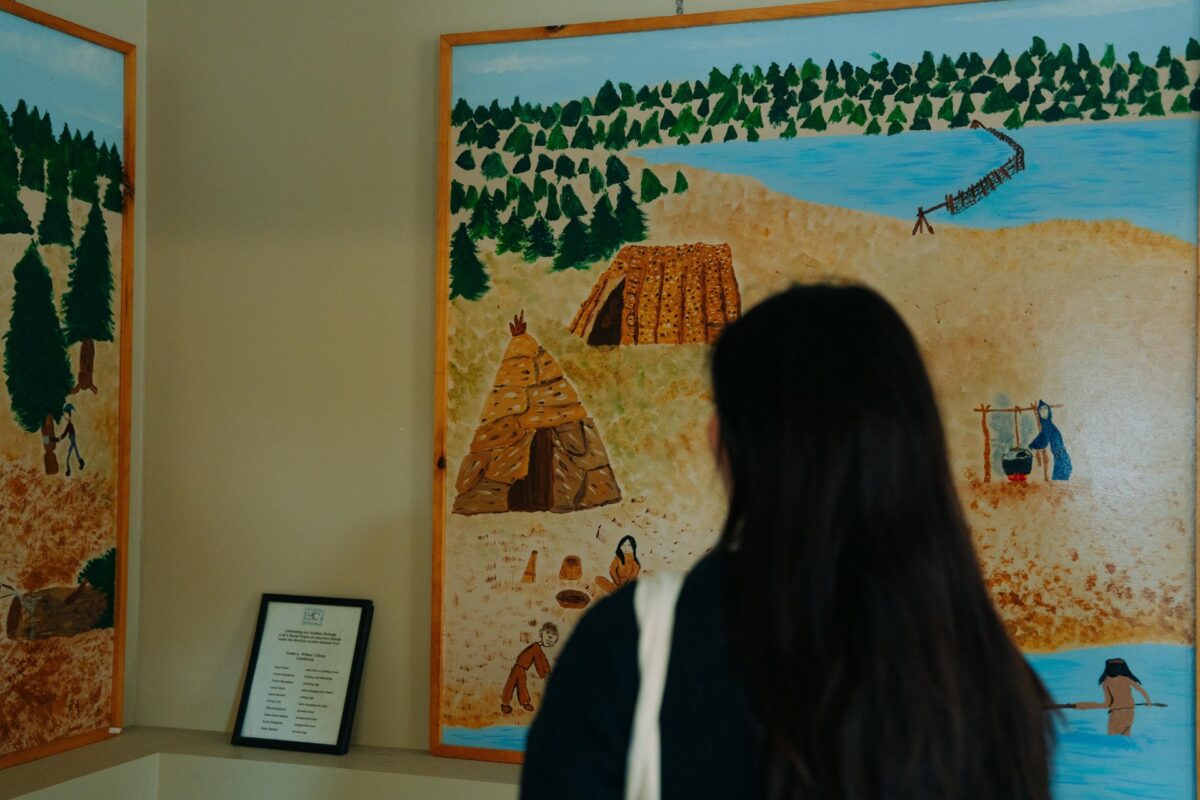
In the early 1600s, French settlers established communities in Mi’kma’ki, the ancestral and unceded territory of the Mi’kmaq, in what is now also known as Nova Scotia, New Brunswick, and Prince Edward Island. Over time, these communities became known as Acadian.
Life in early Acadia was shaped by cooperation, adaptation, and proximity to the sea. Settlers developed agricultural systems suited to tidal landscapes and built trading and diplomatic relationships with the Mi’kmaq. A distinct culture emerged, rooted in language, faith, foodways, and a deep connection to place.
In 1755, Le Grand Dérangement began. During escalating conflict between Britain and France, thousands of Acadians were forcibly deported by British authorities. Families were separated and dispersed across North America and Europe. Some later returned to the Maritimes, rebuilding communities and preserving their language and traditions.
Halifax and the Acadian Story
Halifax was founded in 1749 as a British military town in a region already influenced by Mi’kmaq presence and nearby Acadian settlement.
Its establishment formed part of the broader history surrounding the Deportation. Georges Island, visible from the Halifax Waterfront, holds a difficult chapter of that story, having been used as a place of confinement for Acadians during the deportation.
Today, the city connects Acadian communities across Nova Scotia. Students pursue education in French, artists and musicians perform, and Francophone organizations contribute to civic life. Many residents maintain ties to regions such as Clare, Argyle, Chéticamp, and Isle Madame, while Halifax serves as a gathering place through education, arts, and cultural initiatives.
Culture That Endures

Acadian culture is not confined to history. It remains active and evolving.
You may hear it in music that blends traditional fiddle with contemporary influences. You may see it in the Acadian flag, marked by a yellow star representing Stella Maris, the patron saint of Acadians. You may taste it in dishes shaped by coastal life and generations of resourcefulness.
French-language schools, community organizations, and cultural centres operate throughout Nova Scotia, including in the Halifax region. Acadian artists, entrepreneurs, and students continue to shape the city’s cultural life.
The language itself carries its own regional character. Acadian French has its own vocabulary, accent, and expressions that differ from both European and Québec French.
The Acadian Flag

Adopted in 1884, the Acadian flag is the French tricolour with a yellow star in the blue field. The star represents Stella Maris, “Star of the Sea,” a symbol associated with their patron saint, the Virgin Mary.
L’Acadie de Chezzetcook
79 Hill Rd, West Chezzetcook, NS
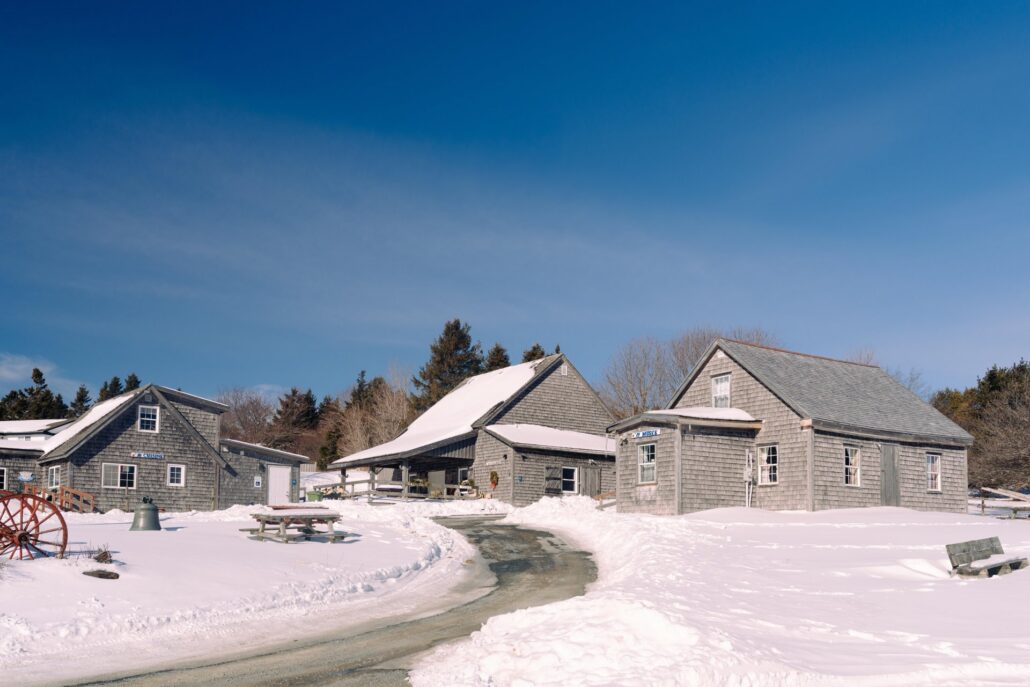
About 40 minutes east of Downtown Halifax, the coastal communities of West Chezzetcook, Grand Desert, and East Chezzetcook form one of the closest historic Acadian areas to the city.
The area was re-established in the late 1700s by Acadian families who escaped or returned after Le Grand Dérangement. Over time, it preserved French language, traditions, and a strong connection to the sea.
Today, the Musée acadien de Chezzetcook and its historic buildings offer insight into Acadian life and resilience, connecting visitors with a living part of the region’s French speaking heritage.
Words You May Encounter
Tintamarre: A festive procession where participants make noise using pots, pans, horns, and voices.
Stella Maris: Latin for “Star of the Sea,” represented by the yellow star on the Acadian flag.
Did You Know?
- Acadian settlements in Nova Scotia predate the founding of Halifax by more than a century.
- Acadian French reflects centuries of local use and adaptation.
- Nova Scotia remains home to several distinct Acadian regions, each with its own traditions.
National Acadian Day
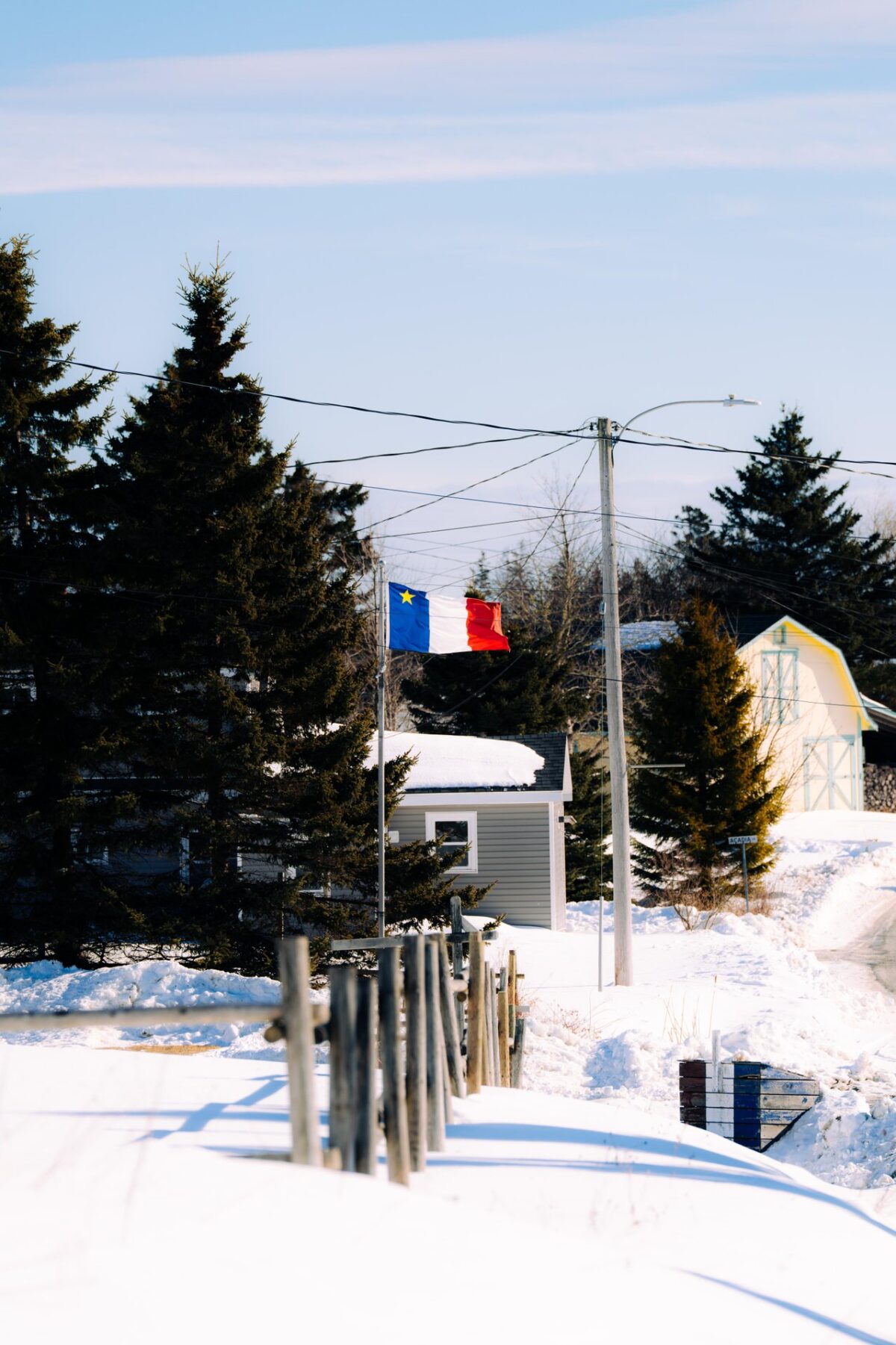
National Acadian Day is celebrated each year on August 15. Many communities mark the occasion with a Tintamarre, a lively procession where participants make joyful noise to celebrate Acadian presence and pride. August is Acadian Heritage Month in Nova Scotia. Proclaimed in 2023, this month honours the history, culture, and contributions of Acadian communities across the province.
Visiting With Perspective
Halifax is shaped by layered histories. Mi’kmaq, Acadian, African Nova Scotian, and British experiences intersect here, each contributing to the character of the region.
Recognizing these connections adds depth to a visit. Acadian culture remains present today in language, education, music, and community life.
This content was produced in partnership with Le Conseil de développement économique de la Nouvelle-Écosse (CDÉNÉ). Learn more about Acadian and Francophone communities in Nova Scotia.