

Meet live animals, explore Mi’kmaw culture and history, and discover rotating exhibits at Halifax’s Museum of Natural History.
What to See and Do Here
The first thing you’ll notice upon entering the museum is Gus, the 104-year-old gopher tortoise, along with other turtles and tortoises in this space. At 3 pm on weekdays, watch Gus take his slow walk through the museum.
To the left and up the ramp past Gus is Pjila’si, an immersive space celebrating Mi’kmaw culture, created in partnership with the Mi’kmaw Advisory Group. Start by exploring the exhibit with a short walk-through. Entering the different sections, you’ll hear Mi’kmaw voices sharing stories through sound cones overhead and videos that you can stop, watch, and listen to.
As you continue, learn about Mi’kmaw territory boundaries, the Grand Council, trade, Mi’kmaw art like quillwork, canoes, and basketry, as well as medicine, nature, and cultural belongings from L’nu sites in the Shubenacadie River.
Throughout the exhibit, you’ll find interactive displays, including one on herbal medicines. Read about how Mi’kmaw medicinal experts used plants to treat specific conditions and discover the names in both Mi’kmaw and English, then press a button to put a spotlight on the plant in its jar.
Try pronouncing Mi’kmaw words yourself—spell out a word, see the translation, and hear it spoken through a large interactive panel. Then listen to Mi’kmaw stories about Kluskap, discover why storytelling is so powerful to the Mi’kmaq, and hear the Mi’kmaw Creation Story. After listening, explore the interactive map to view different regions of Mi’kma’ki.
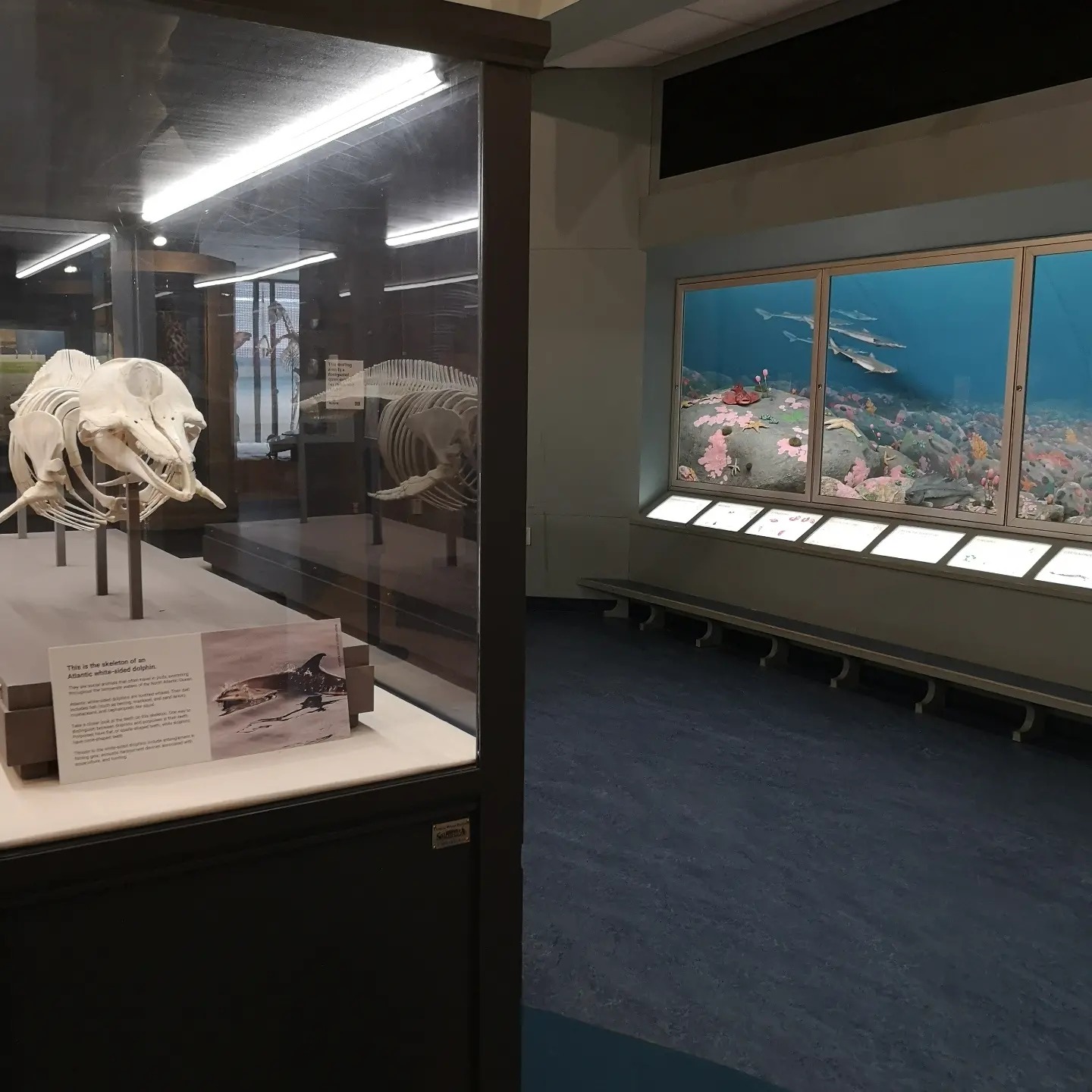
Further along is the Marine Gallery, where you’ll learn about local ecology, the ocean, and nearby species. This includes exhibits on Sable Island’s wild horses, the Gully (the largest submarine canyon in Eastern North America), seals, sharks, beaches, and interactive games for children.
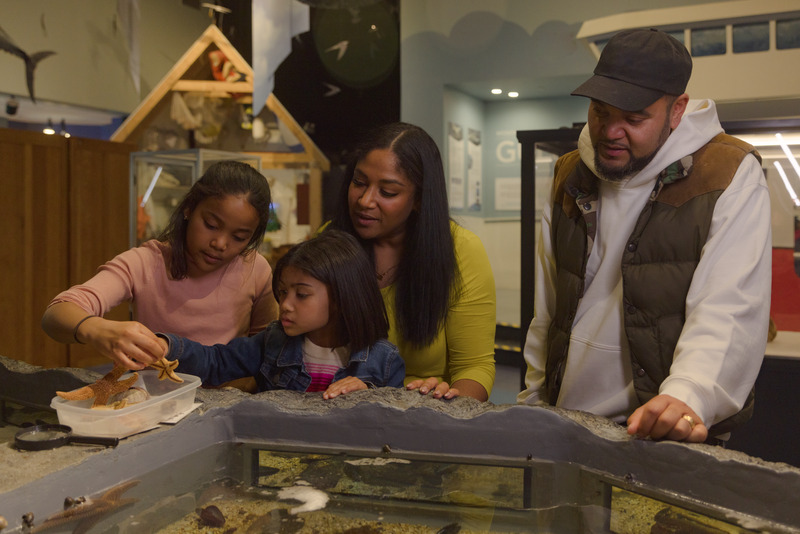
Visit the intertidal zone, showcasing starfish, crabs, and even a rare blue lobster. Watch the live animal feeding at 10 am, where crabs and lobsters use their claws to grab and eat food.
Familiarize yourself with Nova Scotian forests, plants, and animals (see live snakes and frogs) in the Netukulimk exhibit. The highlight is the live beehive, where a colony of bees produces honey. Watch the bees fly in and out through a tube that connects the hive inside the museum to the outside world.
Science on a Sphere is a room-sized global display that projects Earth and planetary data in real time. View wildfire locations, Earth’s temperature changes, bird migrations, Mars, and more, all displayed on the glowing sphere. On Saturdays and Sundays at 11 am, get a tour of the solar system on the sphere with the latest information from NASA.
In addition to the permanent exhibits, the museum features rotating displays and events. Check out the website for the latest updates.
Plan Your Visit
Tickets
- Purchase your ticket at the welcome desk.
Getting there
Bus routes take you to or within walking distance to the museum. Driving is also an option.
Parking
- Paid parking is available at the museum.
- The lot can fill up quickly since many people plan their day around the museum.
Local Tips
Arrive early in the morning, as parking fills up quickly on busy days (weekends and school vacation times). Consider making a day of it by leaving your car and exploring nearby attractions and restaurants after your museum visit.
Get some fresh air in the backyard. There are picnic tables outside, along with displays about biodiversity, plants, and massive whale bones.
Should Know
-
AccessibilityThe building and all exhibits are wheelchair accessible. More information can be found here. Sensory resources include a downloadable map and a physical one available at the admissions desk. It provides a layout of the museum, indicating noisier areas and where you can sit down for a quiet rest. Sensory-Friendly Sundays: Experience the museum with reduced lighting and sound, accompanied by sensory maps and social narratives.
-
DurationAllow for 2 hours to explore the museum.