X
For the first time in its 30-year history, the North American Indigenous Games (NAIG) were hosted in Atlantic Canada from July 15–23, 2023. For one incredible week, over 5,000 athletes and coaches from 756+ Indigenous nations gathered in K’jipuktuk (Halifax) to showcase unity, sport, culture, and teamwork between First Nations, Métis, Inuit, and Non-Indigenous communities for the 10th edition of the Games.
Teams from across Turtle Island (North America)—including the 13 Canadian provinces and territories, as well as 13 regions from the United States—all came together in the spirit of cultural celebration and friendly competition. Athletes competed in 16 sports across 21 venues, including locations across Halifax as well as at the Millbrook and Sipekne'katik First Nations in Nova Scotia.
Beyond the opportunity to showcase the athleticism of thousands of talented and young Indigenous athletes, the Games offered a chance for locals and visitors alike to come together to learn and to share culture.
A Warm Pjila’si (Welcome)
The theme for the 2023 Games was Pjila’si—a Mi’kmaq word that means “welcome, there is space for you here”. More than a simple hello, it’s an invitation to join, participate, and be curious.
And Halifax did just that.
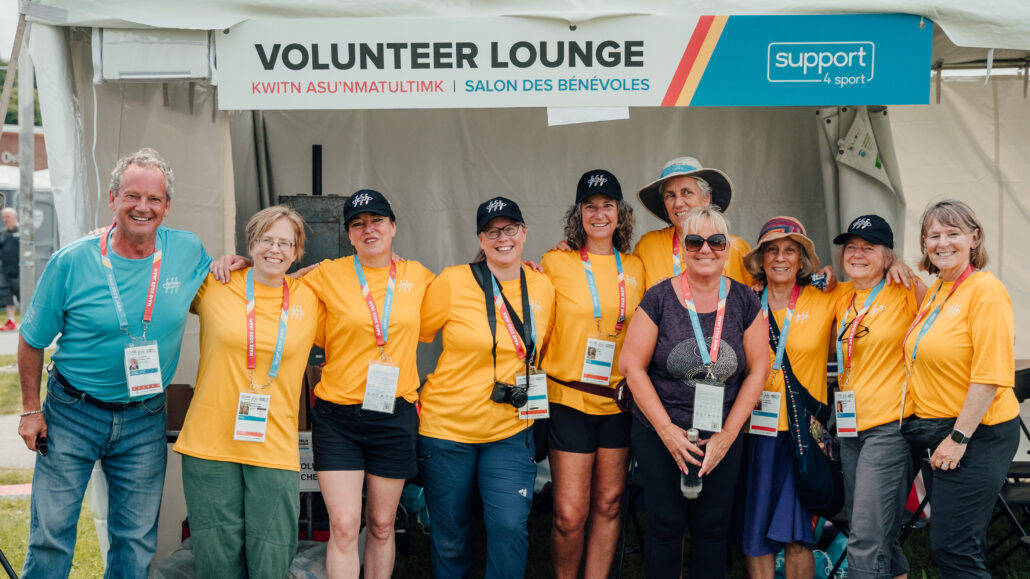
Central to the Games’ success were the over 3,000 volunteers who helped make the Games run so smoothly. Volunteers came from all backgrounds, areas of expertise, and levels of involvement in support of the games. While the athletes were all members of Indigenous communities, volunteer positions were open to everyone, allowing all community members to share, participate in, and learn more about Indigenous culture.
Celebrating Indigenous Culture
The same welcoming spirit also applied to spectators. According to visitor survey data, 45.7% of spectators at the events were of non-Indigenous descent. According to the same survey data, over 90% of non-Indigenous spectators left with a broader appreciation and understanding of Indigenous culture, and nearly 95% left with an increased appreciation for Halifax’s local Mi’kmaw culture.
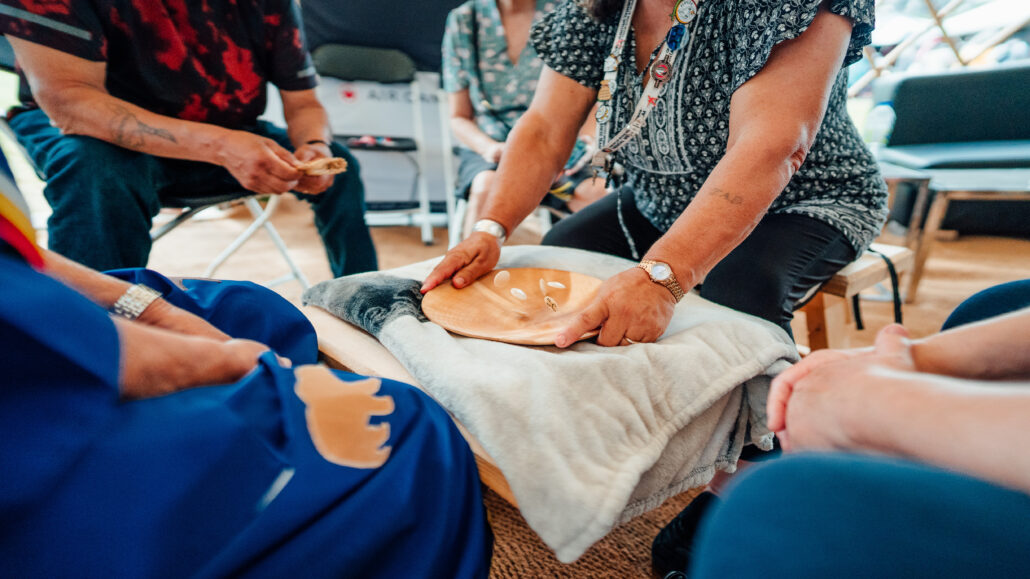
At the heart of this cultural exchange was the NAIG Cultural Village, a public event hosted on the Halifax Commons during the Games. There, visitors were able to take in musical performances by City Natives, Morgan Toney, and Emma Stevens. Participate in and observe daily cultural demonstrations, including Indigenous art forms such as beading, drum making, quill work, basket weaving, and hide tanning. Additionally, the Cultural Village featured opportunities to learn about traditional Indigenous sports like lacrosse and waltes through hands-on demonstrations.
The Main Events
And of course, there were the Games themselves.
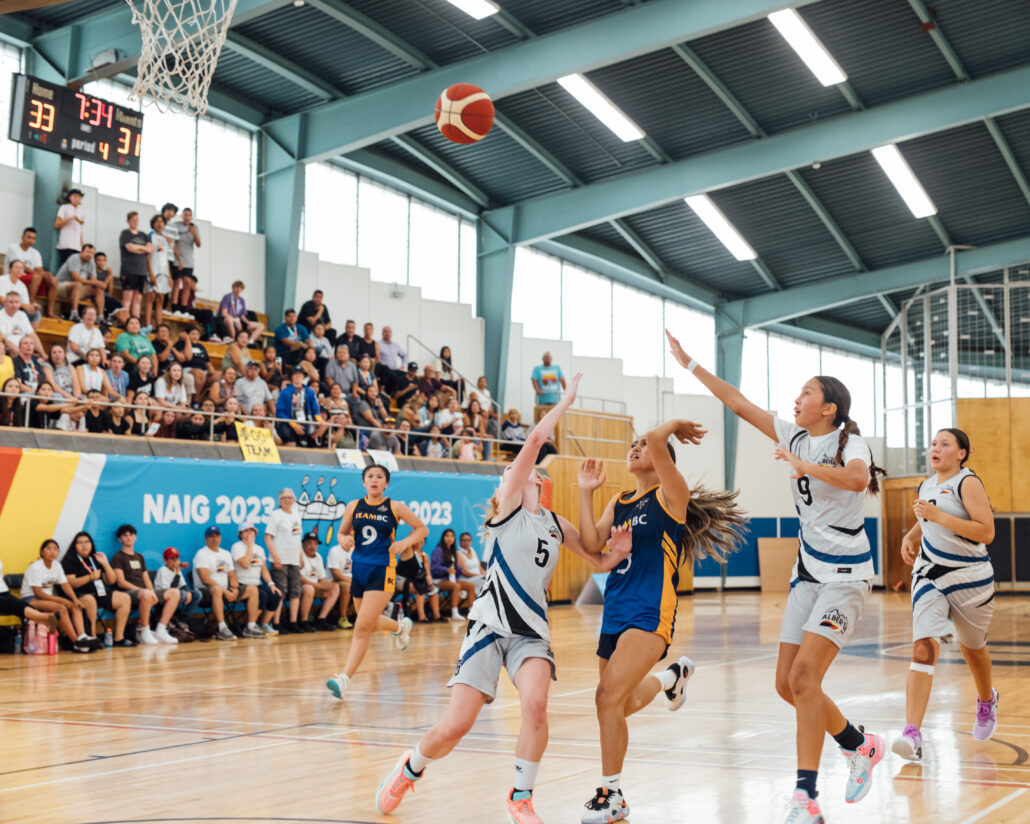
Over 5,000 athletes between the ages of 14-19 competed in 16 sports, including three traditional Indigenous sports: canoe/kayak, lacrosse, and 3D archery. Other sports included: athletics, badminton, baseball, beach volleyball, golf, rifle shooting, soccer, softball, swimming, volleyball, and wrestling.
Team Saskatchewan emerged as the overall winner, securing a total of 161 medals. Team BC was a close second with 159 total medals, while the local team, Team Nova Scotia, finished the games with a very respectable 35 medals.
Key venues included the Scotiabank Centre, which hosted the opening ceremony, the Canada Games Centre, BMO Soccer Centre, Lake Banook, and Millbrook First Nation. In addition to hosting the Cultural Village, the closing ceremonies also took place on the Halifax Common.
The Games were created to promote healthy lifestyles, strengthen self-image, and highlight Indigenous role models through sport and culture—aspects that were on full display during the 2023 edition.
A Measurable Impact
Originally scheduled for July 2020, the Games were postponed until 2023 due to the COVID-19 pandemic. But the delay didn’t stop event organizers from hosting one of the most successful NAIGs to date. In fact, the 2023 Games are the largest multi-sport and cultural event to ever be hosted in Atlantic Canada.
And big numbers come with big impact.
It’s estimated the Games resulted in $15M in visitor spending, $51.1M in economic impact, nearly 17,000 out-of-town visitors, and 279 local jobs.
But the most important number of all? Nearly 100% of event attendees surveyed said they felt welcomed at the NAIG. Pjila’si.